The Katan Silk Paradox: Why Most People Misunderstand Pure Banarasi Fabric
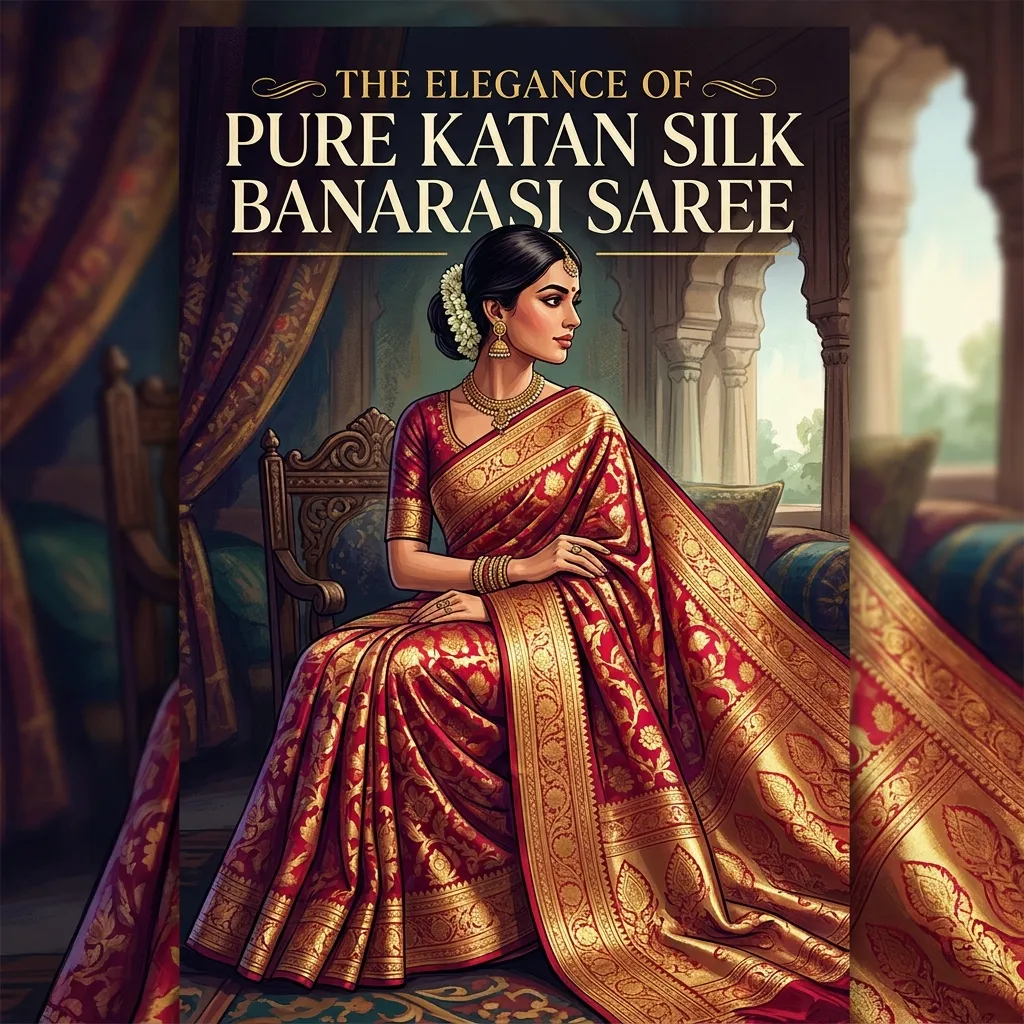
The Katan Silk Paradox: Why Most People Misunderstand Pure Banarasi Fabric
In the storied realm of Varanasi handlooms, one universal truth remains undisputed: when a bride, connoisseur, or collector seeks the definitive bridal Banarasi saree, they choose Pure Katan Silk.
Yet, despite its iconic status, Katan silk is widely misunderstood. Many buyers operate under a flawed assumption—believing that if a saree is heavy, glossy, and expensive, it must automatically be pure Katan. In today's market, synthetic polyester blends, art silks, and mechanized powerloom fabrics are specifically engineered to mimic the weight and initial sheen of genuine silk.
To avoid costly counterfeits and appreciate true Varanasi craftsmanship, one must understand the textile science, yarn engineering, and weaving heritage behind authentic Pure Silk Katan Sarees.
The Textile Anatomy of Pure Katan: What Makes It Unique?
The word Katan refers not to a motif or embroidery style, but to a specific method of yarn preparation.
While ordinary silks use single-ply or lightly twisted threads, Katan silk is crafted by taking multiple fine filaments of pure raw mulberry silk (Bombyx mori) and tightly twisting them together into a high-density, multi-ply thread.
| Feature | Pure Katan Silk | Standard Raw Silk / Art Silk |
|---|---|---|
| Yarn Construction | 2-ply or 4-ply tightly twisted mulberry silk filaments | Single untwisted filaments or synthetic rayon/polyester fibers |
| Tensile Strength | Exceptionally high; supports dense zari jaals | Moderate to low; prone to sagging or snagging |
| Handfeel & Drape | Smooth, structured, fluid yet substantial | Either stiff/plastic-like (art silk) or rough (raw silk) |
| Luster | Mellow, deep, natural pearlescent sheen | Harsh, mirror-like artificial shine |
| Longevity | Multi-generational heirloom (50–100+ years) | Degrades and pills after a few wears |
This intensive twisting process imparts immense tensile strength, allowing the fabric to support elaborate, heavy metallic embellishments like Kadhua Weave Motifs and multi-coloured Rangkat Weaves without puckering or fraying.
Handloom Katan vs Powerloom Katan: Spotting the Difference
Varanasi’s handloom masterweavers spend anywhere from 3 weeks to 6 months crafting a single Katan masterpiece on a traditional wooden pit loom. In contrast, modern automated powerlooms churn out replicas in a matter of hours.
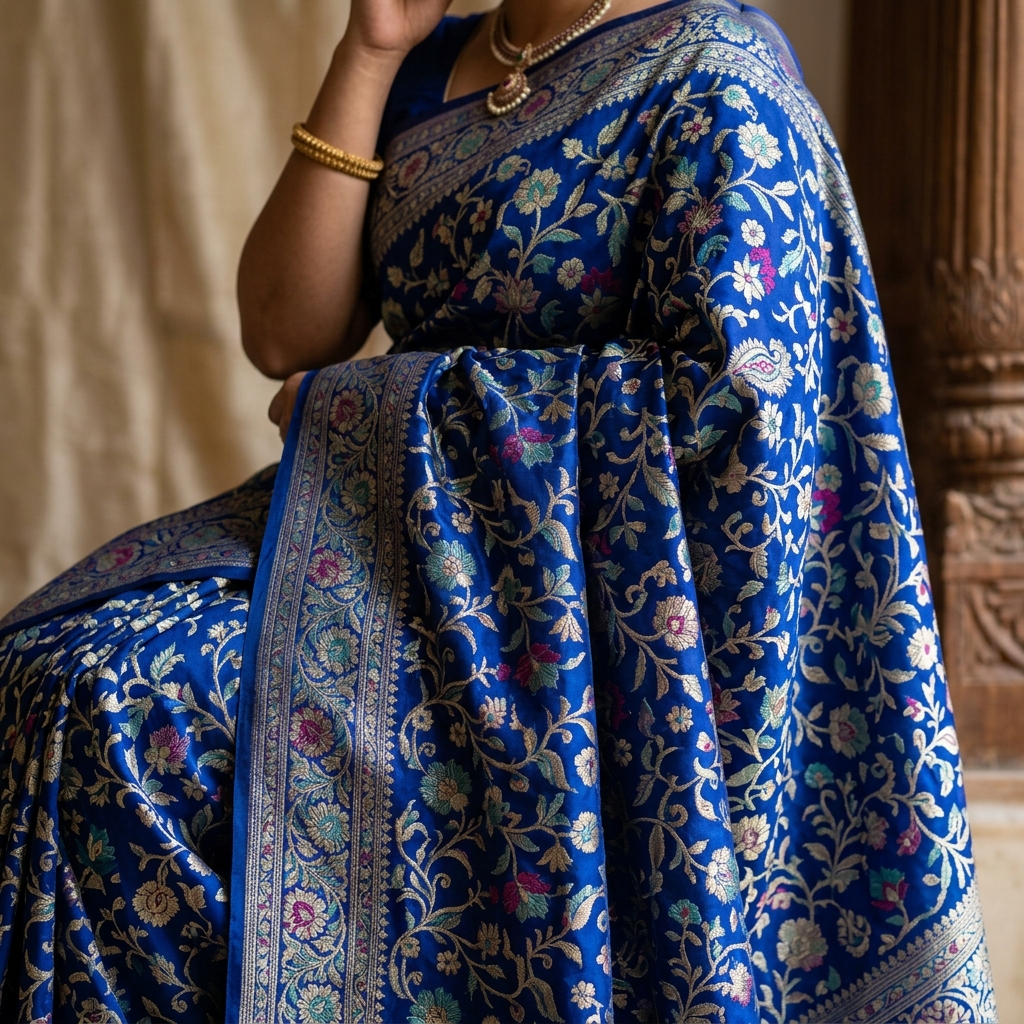
1. The Reverse Weave (Ulta Palla)
- Handloom Kadhwa Katan: On the reverse side, each motif is woven and locked independently. There are zero loose, scratchy threads running across the fabric.
- Powerloom / Jacquard: Continuous spools of synthetic thread run from one border to another. On the reverse, long floating threads are crudely cut away by industrial shears, leaving rough edges that snag against jewellery and skin.
2. The Selvedge and Tension
- Handloom Katan: The edges feature subtle pin marks (karvat) where the fabric was hand-tensioned on the loom frame. The drape feels alive, breathing, and mouldable.
- Powerloom: The selvedge is uniformly rigid, stiff, and lacks the organic softness of hand-tensioned silk.
Iconic Banarasi Weaves Crafted on Katan Silk
Because Katan provides an unyielding, luxurious foundation, it serves as the canvas for the most celebrated Banarasi weaving styles:
- Jangla & Floral Jaal: All-over botanical vines woven in pure gold and silver zari that wrap the entire body of the saree.
- Shikargah Weaves: Royal hunting scenes depicting elephants, deer, peacocks, and floral canopies inspired by Persian tapestries (read our Shikargah Craft Story).
- Meenabooti Katan: Multi-coloured resham silk threads woven inside gold zari motifs, mimicking enamel jewel artistry (explore our Meenabooti Guide).
- Rangkat Katan: Pre-dyed warp blocks creating a kaleidoscopic multi-coloured background (explore our Rangkat Saree Guide).
4-Step Verification Guide: How to Test Pure Katan Silk
When investing in a bridal heirloom, never rely solely on price tags. Use these 4 reliable verification methods:
- The Silk Mark Tag: Verify the presence of the government-certified green Silk Mark India tag with a unique QR code.
- The Touch & Warmth Test: Rub the silk vigorously between your palms for 10 seconds. Pure silk warms up immediately due to natural thermal insulation. Synthetic fabrics remain cold.
- The Light Reflection Test: Under natural sunlight, pure Katan silk refracts light at varying angles, creating subtle shifts in tone. Synthetic fibers produce a uniform, plastic-like glare.
- The Burn Test (Fringe Sample): A single thread extracted from the fringe should burn slowly with the smell of burning hair and crumble into a soft black ash. If it melts into a hard bead with chemical fumes, it is synthetic.
Caring for Your Katan Silk Heirloom
To ensure your Katan saree retains its structural beauty and metallic luster across generations:
- Dry Clean Only: Never immerse in water.
- Muslin Cloth Storage: Wrap the saree in breathable, unbleached cotton or muslin. Never store in airtight plastic bags.
- Regular Refolding: Unfold and air the saree every 4 to 6 months in a shaded room to prevent permanent creasing.
At Shri Geeta Sarees, every pure Katan silk saree is woven by hereditary artisans in Chowk, Varanasi, honoring six decades of handloom excellence. Explore our Pure Silk Katan Collection or discover our Bridal Saree Guide to find your perfect bridal drape.
Continue Reading
What is Fekwa (Fakua/Cutwork) in Banarasi Sarees?
Learn about Fekwa (or Fakua/Cutwork), an authentic Banarasi weaving technique that creates beautiful floral motifs and jaal patterns. Find out why it's more affordable without compromising quality.
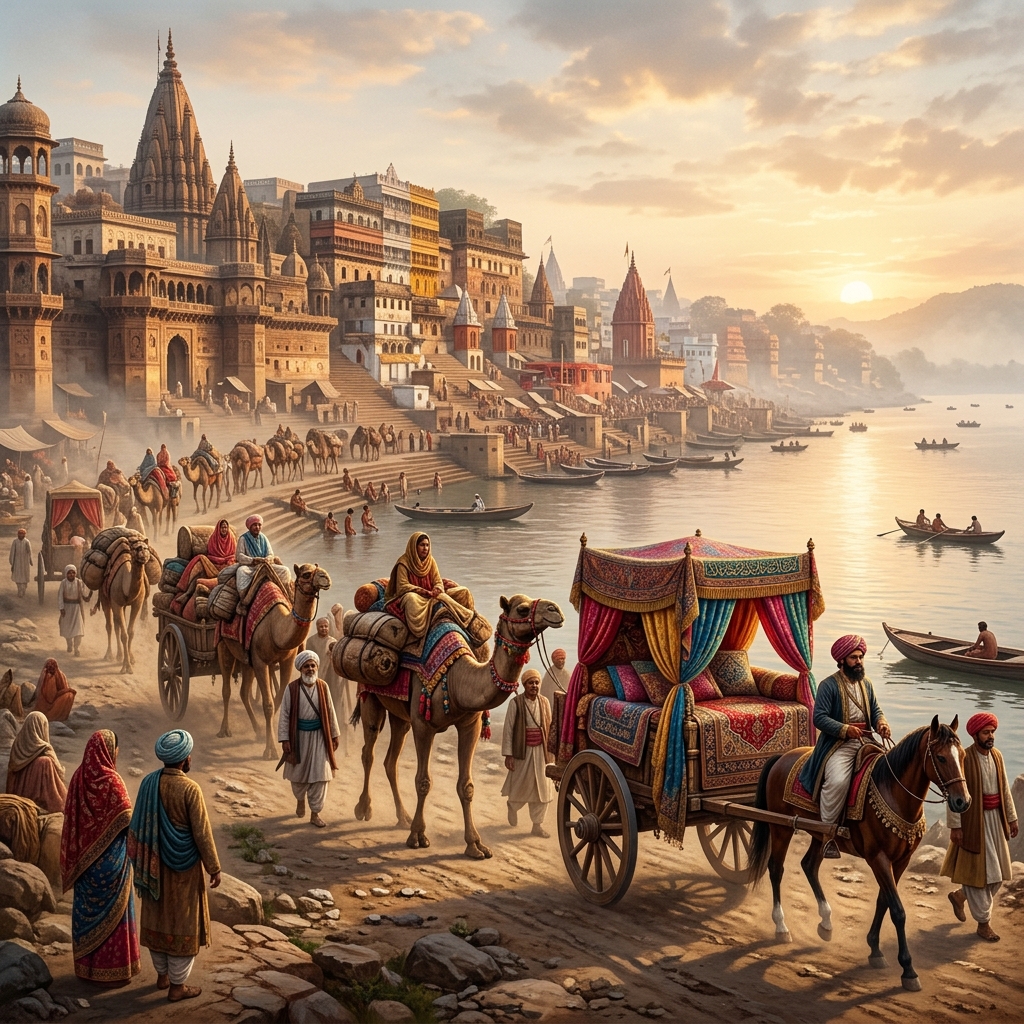
The Silk Route Through Varanasi: History of Banarasi Weaving
Trace the centuries-old journey of silk into Varanasi — from ancient trade routes to Mughal courts to the handloom houses of today.
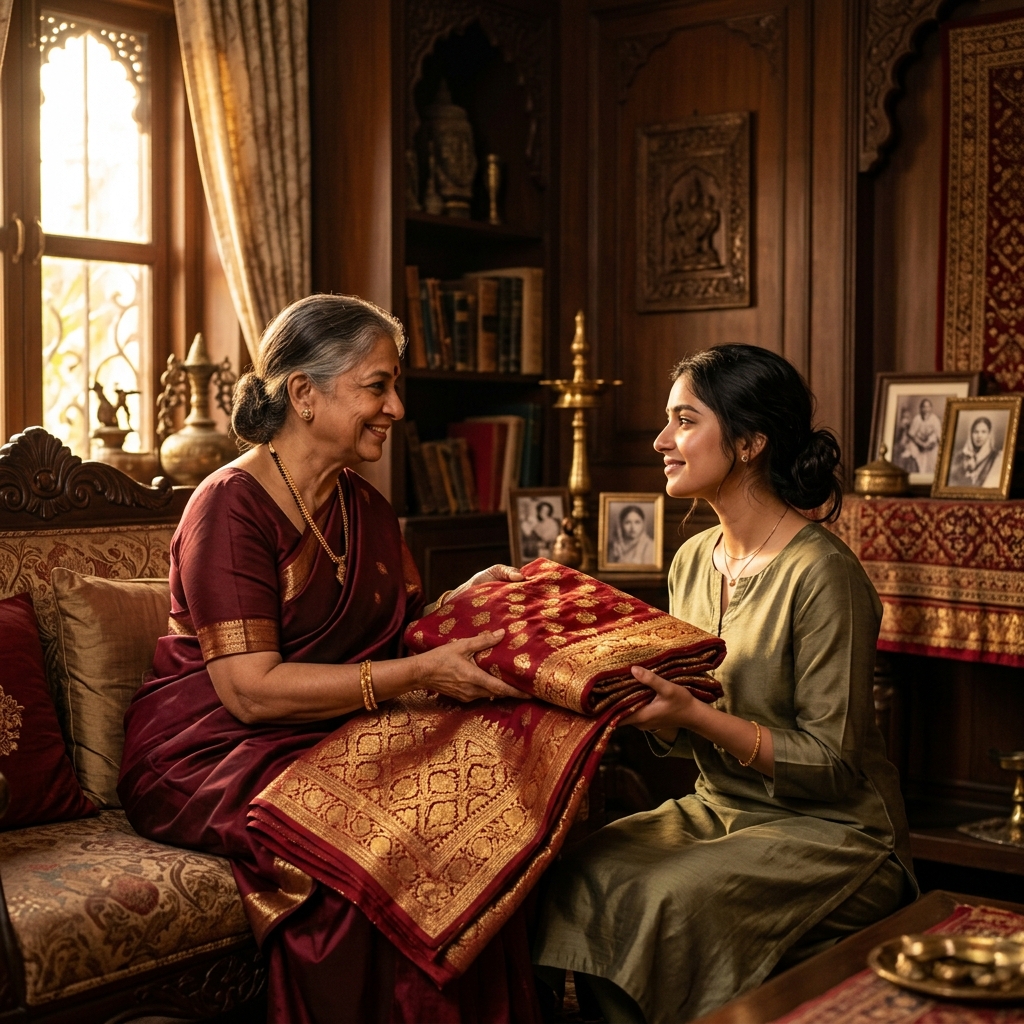
The Banarasi Saree as a Family Legacy: An Heirloom Woven in Silk
Explore the tradition of passing down Banarasi sarees, the craftsmanship that makes them endure, and how to preserve a vintage Banarasi silk saree as a family legacy.
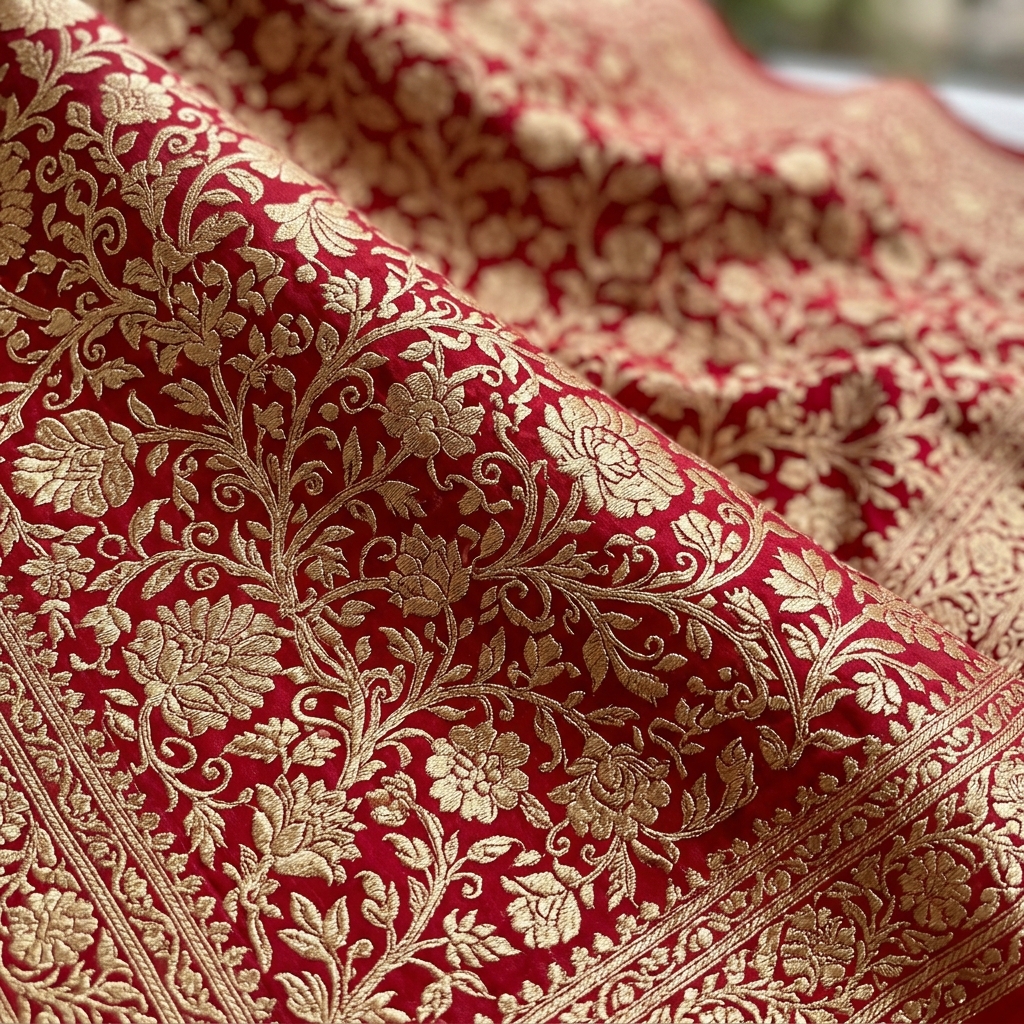
What is a Banarasi Saree Motif? A Guide to Buta, Jaal, and Paisley Patterns
Understand the language of Banarasi saree motifs — from the mango-shaped buta to the trellis-like jaal. A weaver's guide to reading pattern, symbolism, and craft.
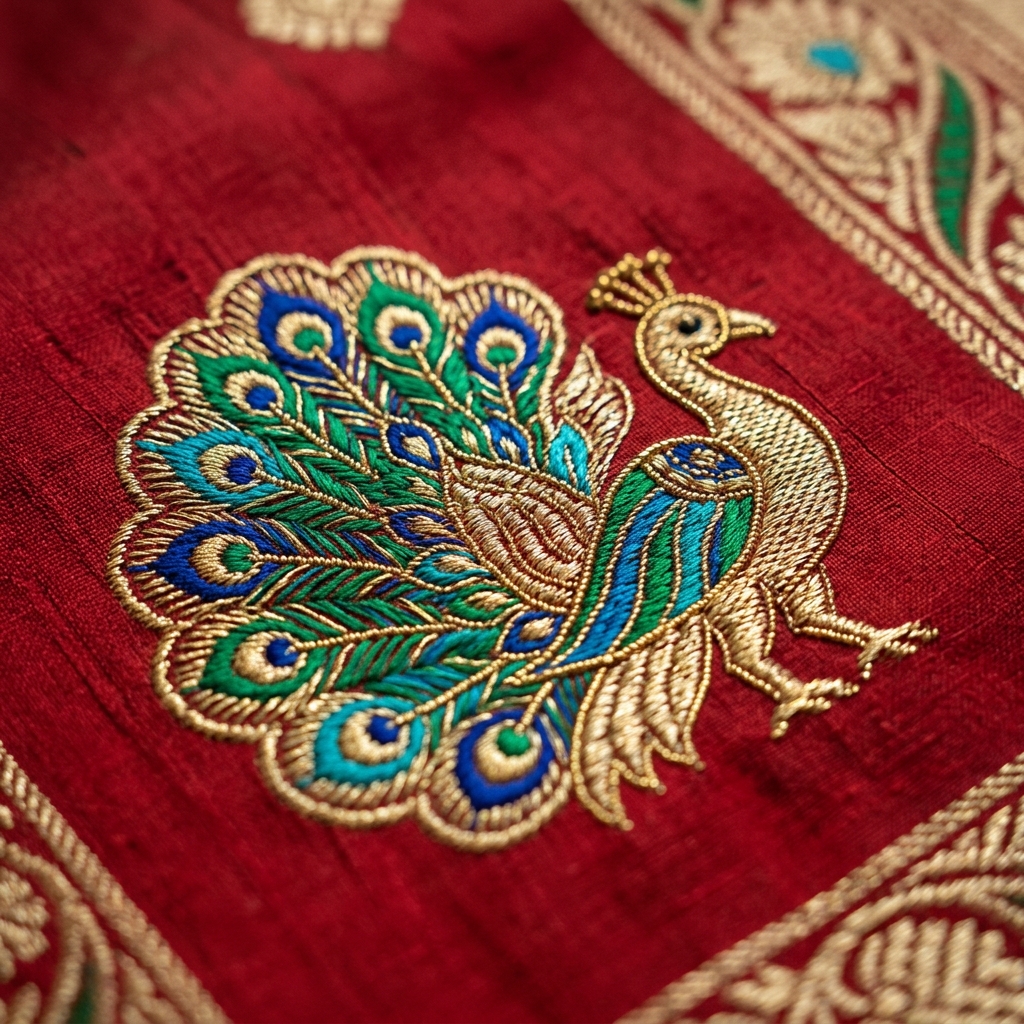
What is a Kadhua Banarasi Saree?
Discover the art of Kadhua Banarasi sarees — individually woven motifs, no loose threads, and an embossed 3D finish. Learn about Meenakari vs Sonarupa and why Kadhua is the pinnacle of Banarasi craftsmanship.