What is Fekwa (Fakua/Cutwork) in Banarasi Sarees?
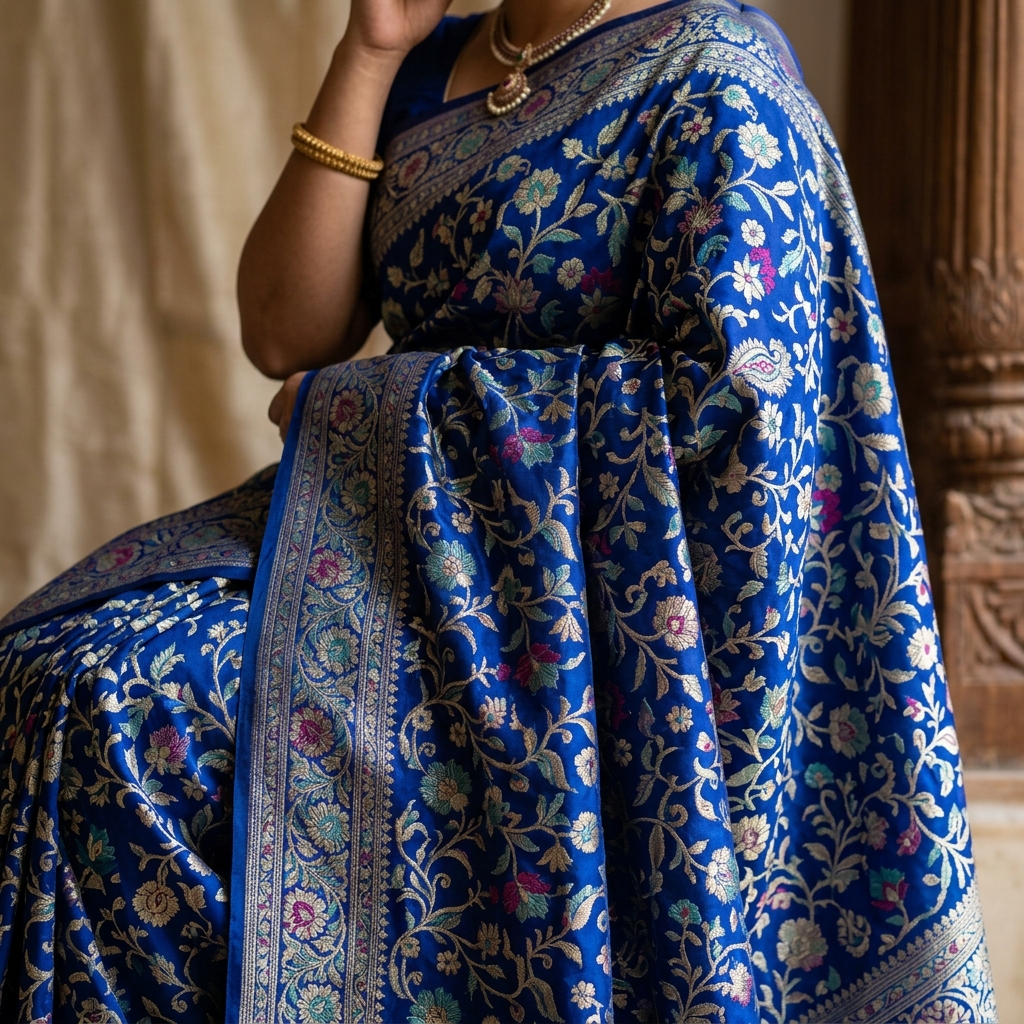
If you've ever explored Banarasi sarees, you've probably heard terms like Fekwa, Fakua, Phekwa, or Cutwork. While the spellings vary, they all refer to the same weaving technique used to create intricate Banarasi motifs.
The word Fekwa comes from the Hindi word "fekna", meaning "to throw." In this weaving method, the extra weft yarn—whether pure silk (resham) or zari—is thrown across the entire width of the saree while weaving. This additional yarn forms the beautiful floral motifs, butis, vines, or jaal patterns that make Banarasi sarees so distinctive.
Once the saree is completely woven, skilled artisans carefully trim the unwanted floating threads from the reverse side. As a result, the front of the saree displays crisp, elegant motifs, while the back shows small loose thread ends around each design. This is why Fekwa sarees are also commonly known as Cutwork Banarasi sarees.
Why are Fekwa Banarasi Sarees More Affordable?
Many people assume that a lower price means lower quality, but that isn't true.
A Fekwa Banarasi saree uses the same high-quality silk and zari as many other Banarasi weaves. The difference lies only in the weaving technique.
Compared to Kadhua weaving, where every motif is woven individually by hand, Fekwa weaving is faster and requires less labour. This reduces the overall weaving time and makes the saree more affordable without compromising its beauty.
Benefits of a Fekwa Banarasi Saree
- Excellent value for money without sacrificing elegance.
- Authentic Banarasi craftsmanship with traditional weaving techniques.
- Beautiful floral motifs, butis, and jaal patterns.
- Available in a wide variety of designs and colour combinations.
- Ideal for weddings, festive occasions, and regular traditional wear.
- More budget-friendly than Kadhua Banarasi sarees while maintaining the charm of genuine Banarasi weaving.
Fekwa vs Kadhua Banarasi Weaving
Both techniques are authentic Banarasi weaves. The choice depends on your preference and budget.
- Fekwa (Cutwork): Faster to weave, more affordable, and perfect for those seeking beautiful Banarasi craftsmanship at a reasonable price.
- Kadhua: Every motif is woven separately, making the process slower, more labour-intensive, and therefore more expensive.
Neither technique is "better" in terms of authenticity—they simply represent different methods of creating the timeless beauty of Banarasi sarees.
Whether you choose a Fekwa or a Kadhua Banarasi saree, you're investing in a centuries-old weaving tradition that reflects the unmatched artistry of Varanasi's master weavers. Explore authentic Banarasi craftsmanship and discover our timeless collection at Shri Geeta Sarees.
Frequently Asked Questions
What is a Fekwa Banarasi saree?
Fekwa (also known as Fakua, Phekwa, or Cutwork) is a traditional Banarasi weaving technique where extra weft yarn is thrown across the entire width of the saree. The loose threads at the back are later trimmed, creating beautiful motifs on the front.
Are Fekwa sarees of lower quality?
Not at all. Fekwa Banarasi sarees use the same high-quality pure silk and zari as other weaves. The price difference is solely because the weaving technique is faster and less labour-intensive compared to Kadhua.
Why is Fekwa also called Cutwork?
It is called Cutwork because, after weaving, artisans manually trim the unwanted floating threads from the reverse side of the saree, leaving small loose ends around each design while maintaining a crisp motif on the front.
What is the difference between Fekwa and Kadhua weaving?
In Fekwa weaving, the extra weft yarn runs continuously across the back and is later trimmed (cutwork). In Kadhua weaving, each motif is woven individually, leaving no loose threads on the back. Fekwa is faster and more affordable, while Kadhua is highly labour-intensive and more expensive.
Continue Reading
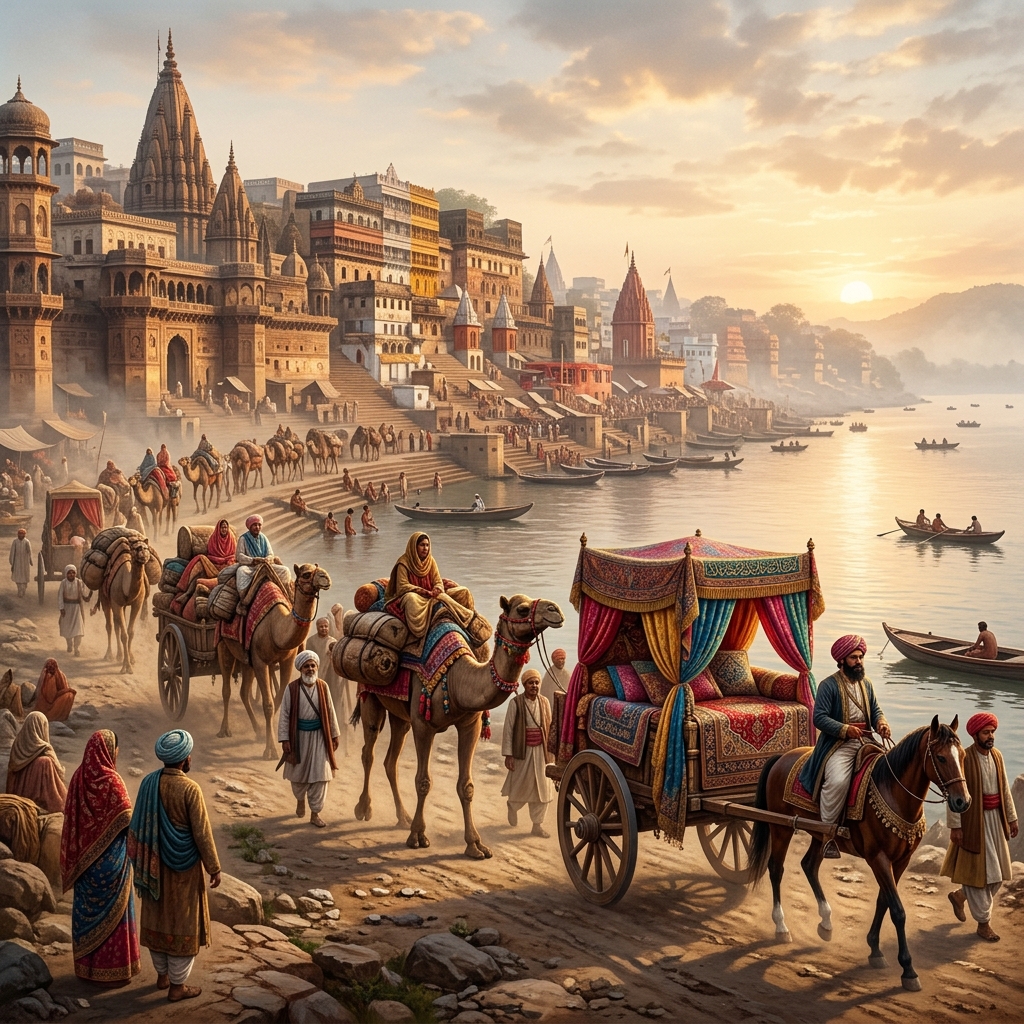
The Silk Route Through Varanasi: History of Banarasi Weaving
Trace the centuries-old journey of silk into Varanasi — from ancient trade routes to Mughal courts to the handloom houses of today.
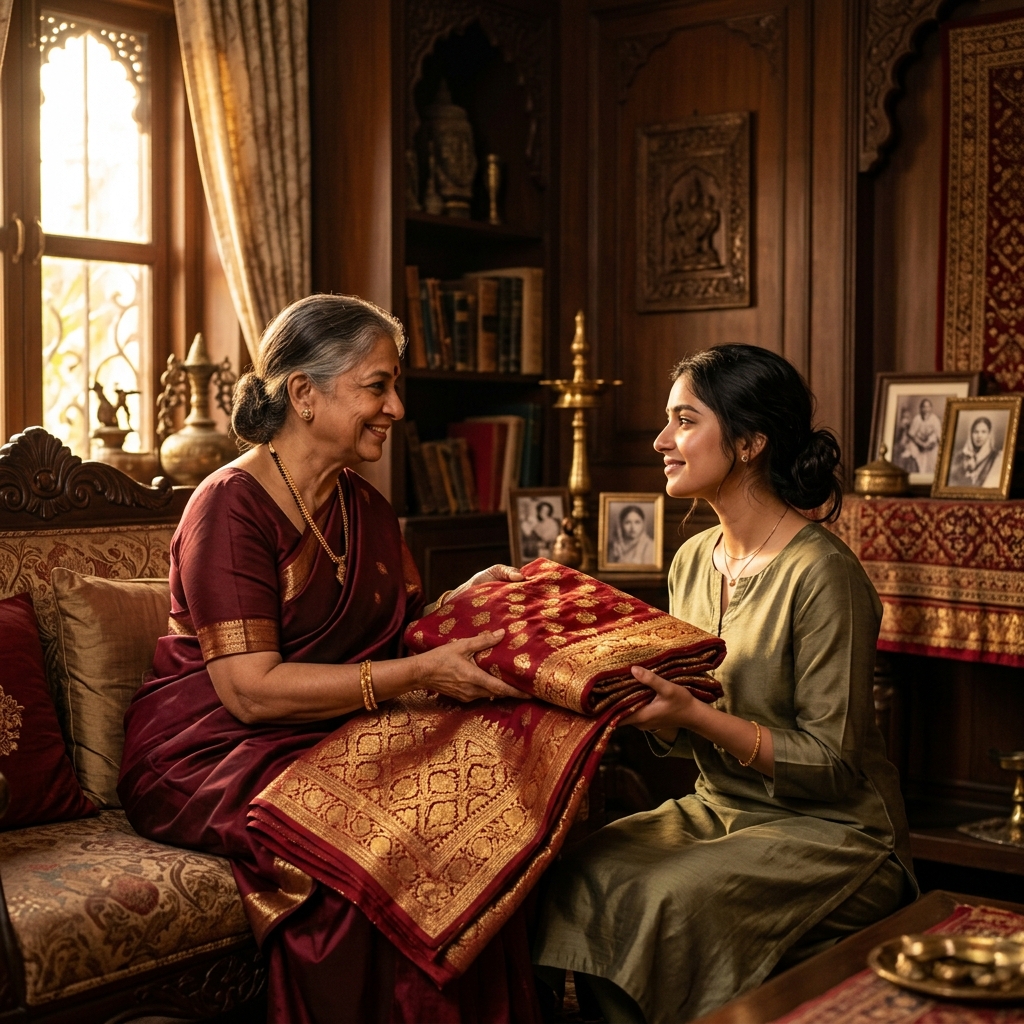
The Banarasi Saree as a Family Legacy: An Heirloom Woven in Silk
Explore the tradition of passing down Banarasi sarees, the craftsmanship that makes them endure, and how to preserve a vintage Banarasi silk saree as a family legacy.
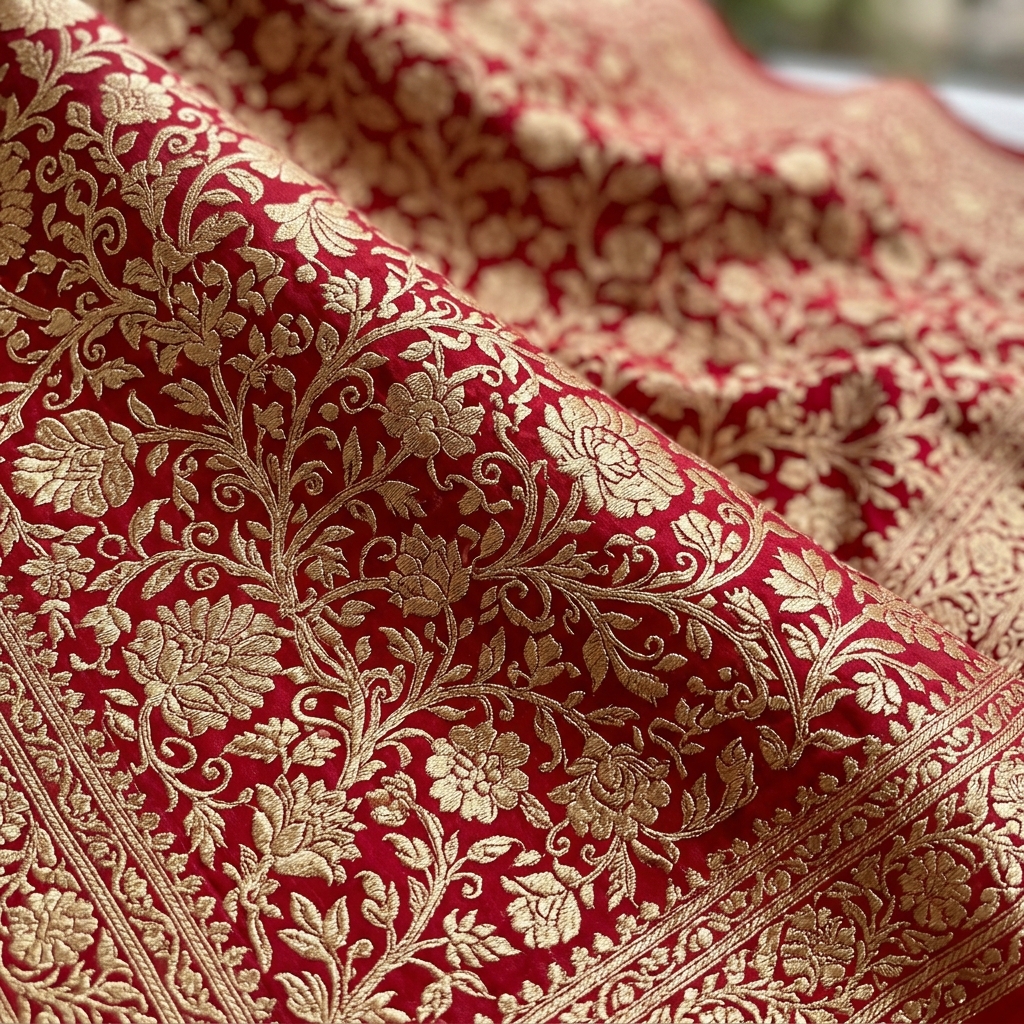
What is a Banarasi Saree Motif? A Guide to Buta, Jaal, and Paisley Patterns
Understand the language of Banarasi saree motifs — from the mango-shaped buta to the trellis-like jaal. A weaver's guide to reading pattern, symbolism, and craft.
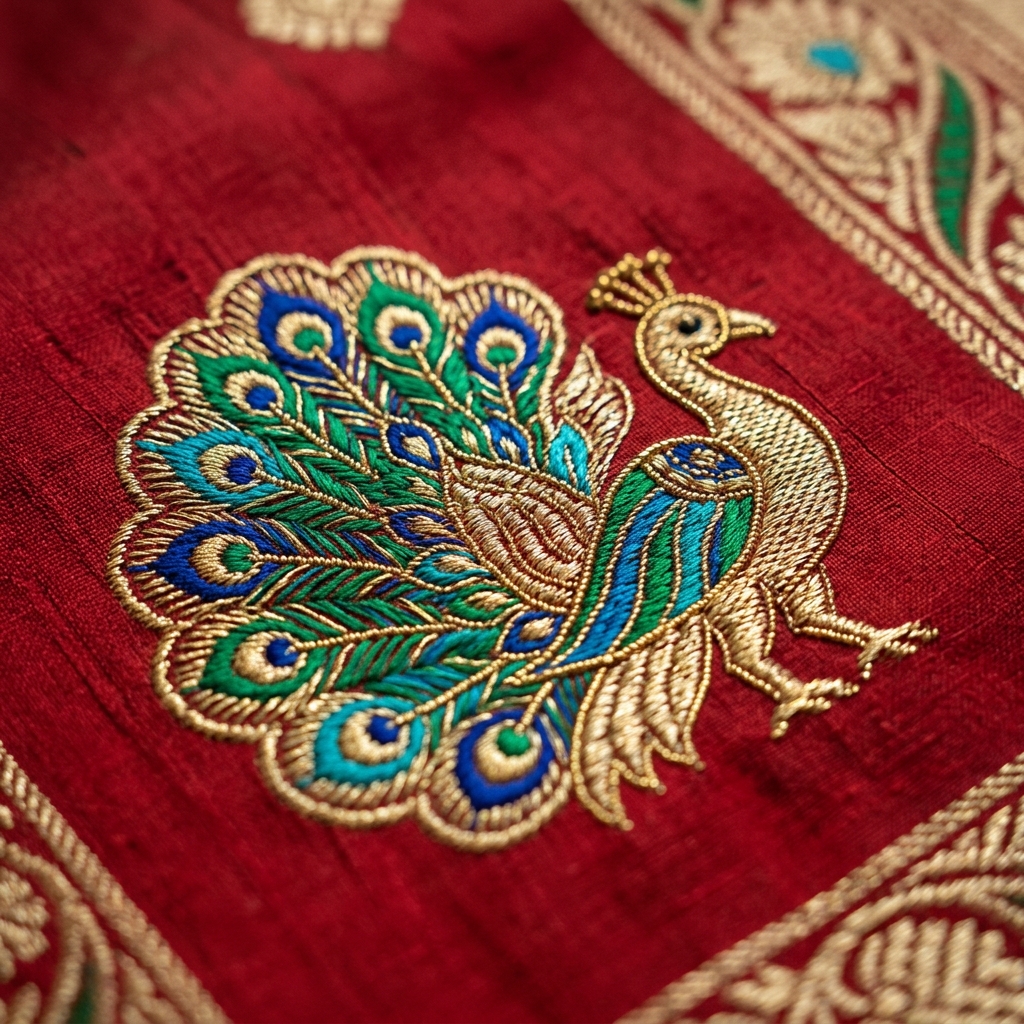
What is a Kadhua Banarasi Saree?
Discover the art of Kadhua Banarasi sarees — individually woven motifs, no loose threads, and an embossed 3D finish. Learn about Meenakari vs Sonarupa and why Kadhua is the pinnacle of Banarasi craftsmanship.