
Saree Buying Guide for Beginners: What to Ask & Check
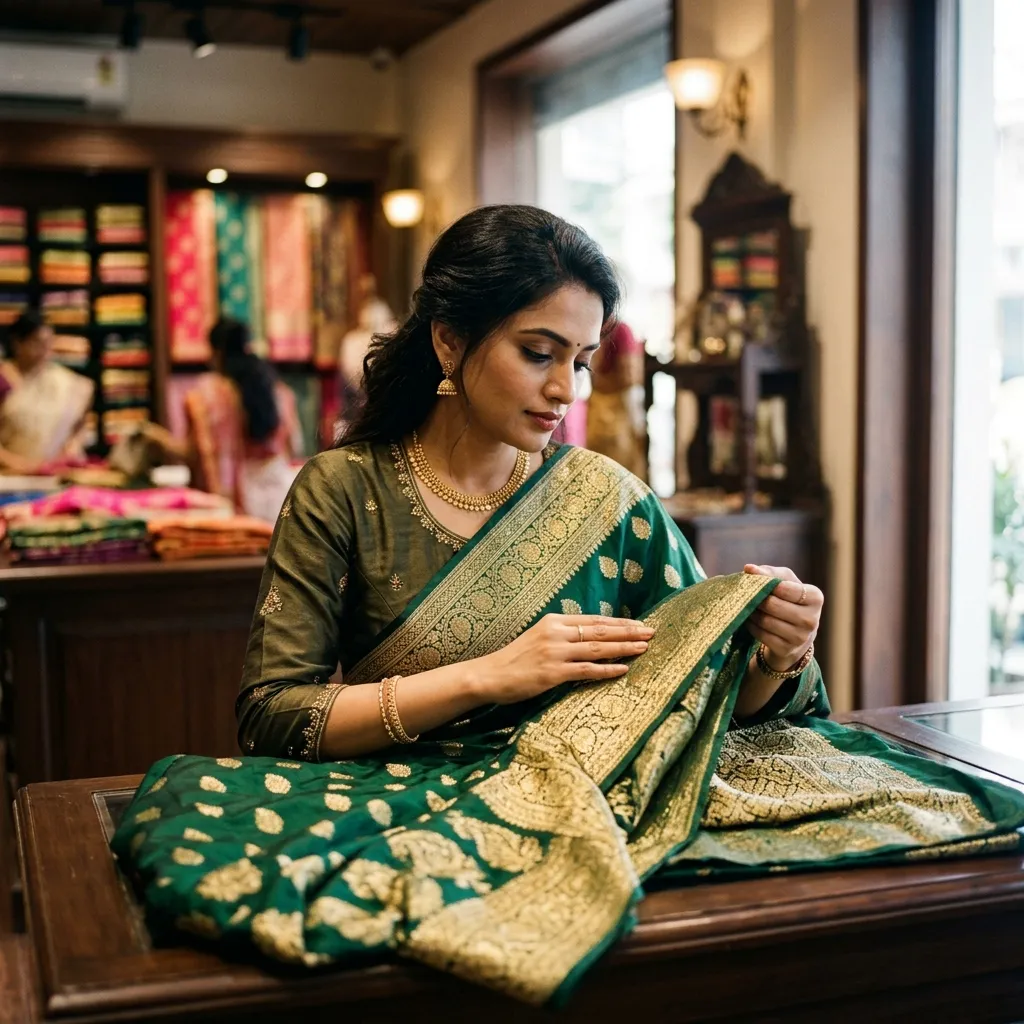
If you are falling in love with buying, draping, and carrying sarees, you are not alone. It is widely accepted that the saree is one of the most elegant garments in the world. But for a beginner, stepping into a saree store can be incredibly overwhelming.
You might think that buying a saree is just about picking a beautiful color and a nice design. But, the reality is that the true value of a saree lies in its craftsmanship, fabric purity, and weaving technique. Without this basic knowledge, it is an anomaly how often beginners end up paying exorbitant prices for machine-made imitations.
Whether you are looking to purchase your first heirloom or just want to make smarter choices, here is a definitive guide on what you need to know before buying a saree.
1. Basic Knowledge Before You Purchase
Before you even ask a question, understand that not all silk is created equal. The fundamental problem beginners face is not knowing the difference between a handloom saree and a powerloom (machine-made) one.
- Handloom vs. Powerloom: Handwoven sarees take weeks or months to create. They have a softer drape and subtle human imperfections. Powerloom sarees are mass-produced quickly and often have a stiffer, perfectly uniform finish.
- Pure Silk vs. Art Silk: Pure silk is a natural fiber, whereas Art Silk (artificial silk) is synthetic (like polyester or rayon). If you are curious about the difference in feel and durability, read our guide on What is Art Silk.
2. Questions You Must Ask the Seller
Never hesitate to question the seller. A knowledgeable and authentic seller will always be happy to explain their craft. Although many shops claim everything is "pure Banarasi," this is often inconsistent with reality.
Always ask:
- "Where was this woven?" (Authentic Banarasi sarees are woven in Varanasi and surrounding regions.)
- "Is this handloom or machine-made?"
- "What is the exact fabric composition?" (Is it Pure Katan Silk, Georgette, Tussar Silk, or a blend?)
- "Is the zari tested or pure?" (Zari is the metallic thread. Pure zari has silver/gold content, tested zari is copper electroplated, and synthetic zari is plastic-based.)
3. How to Estimate Cost and Avoid Overpaying
One of the biggest fears for a beginner is paying more than the saree's original worth.
- The Labor Factor: Handloom sarees are expensive because you are paying for weeks of artisan labor. If a seller offers you a "pure handloom Banarasi" for a ridiculously low price, it is almost certainly a machine-made copy.
- The Zari Quality: Sarees with intricate, dense zari work (like Kadhwa weaving) cost more than simpler weaves (like Cutwork).
- How to Bargain: Do your research. Feel the fabric. If it feels scratchy or stiff, it is likely synthetic and not worth a premium price. Knowing the weaving technique (e.g., asking "Is this Kadhwa?") signals to the seller that you are an informed buyer, which often prevents them from quoting inflated prices. To avoid common pitfalls, review our 7 Mistakes Brides Make When Buying Banarasi Sarees.
4. Things to Check While Purchasing
Always inspect the saree physically before finalizing your purchase:
- The Borders and Pallu: Turn the saree over. On a handloom saree, the reverse side will show the weaving technique. Machine-made sarees are often entirely smooth on the back.
- The Fabric (The Crush Test): Gather a bit of the silk in your fist and squeeze it. Pure silk warms up to the touch and springs back, leaving fewer harsh wrinkles. Synthetic fabrics feel cold and hold sharp creases.
- Damage Check: Unfold the saree completely. Check the folds for any signs of wear, tears, or uneven fading, especially if the saree has been on display for a long time.
- The Blouse Piece: Ensure the saree comes with an attached blouse piece (usually 80 to 100 cm long) at the end. Check if the blouse fabric matches the quality of the saree body.
5. Extra Tips for Saree Lovers
- Consider Maintenance: A heavy silk saree is an investment that requires proper care. Never wash them at home. Learn Why Banarasi Sarees Must Only Be Dry Cleaned.
- Handling it at Work: If you plan to wear sarees frequently to the office, opt for lighter fabrics like cotton or tissue, and learn a few Easy Saree Handling Tips for the Workplace.
- Practice Your Drape: The grace of a saree comes from how it is draped. Pin your pleats neatly and practice walking in it before your main event.
By keeping these points in mind, you transition from a beginner to a discerning collector. Happy saree shopping!
Frequently Asked Questions (FAQs)
How can I tell if a saree is pure silk? The most definitive method is the burn test (where pure silk smells like burnt hair and turns to ash), but in a store, you can rely on the Silk Mark certification or the "crush test"—pure silk warms up when crumpled in your hand and springs back easily.
Is it normal for handloom sarees to have small weaving flaws? Yes. It is reported and widely accepted among textile experts that minor irregularities (like a skipped thread) are the hallmark of human craftsmanship. They are not "defects" but signatures of authenticity.
How do I store my new saree safely? Never hang heavy silk sarees on metal hangers or store them in plastic covers. Fold them neatly, wrap them in a soft muslin cloth, and store them in a cool, dark place. Refold them every few months to prevent the zari from tarnishing or the fabric from tearing at the creases.
Why is Katan silk so highly recommended for beginners? Katan silk is incredibly durable, has a rich luster, and holds pleats beautifully, making it much easier for beginners to drape and carry compared to stiffer or sheer fabrics.
Continue Reading
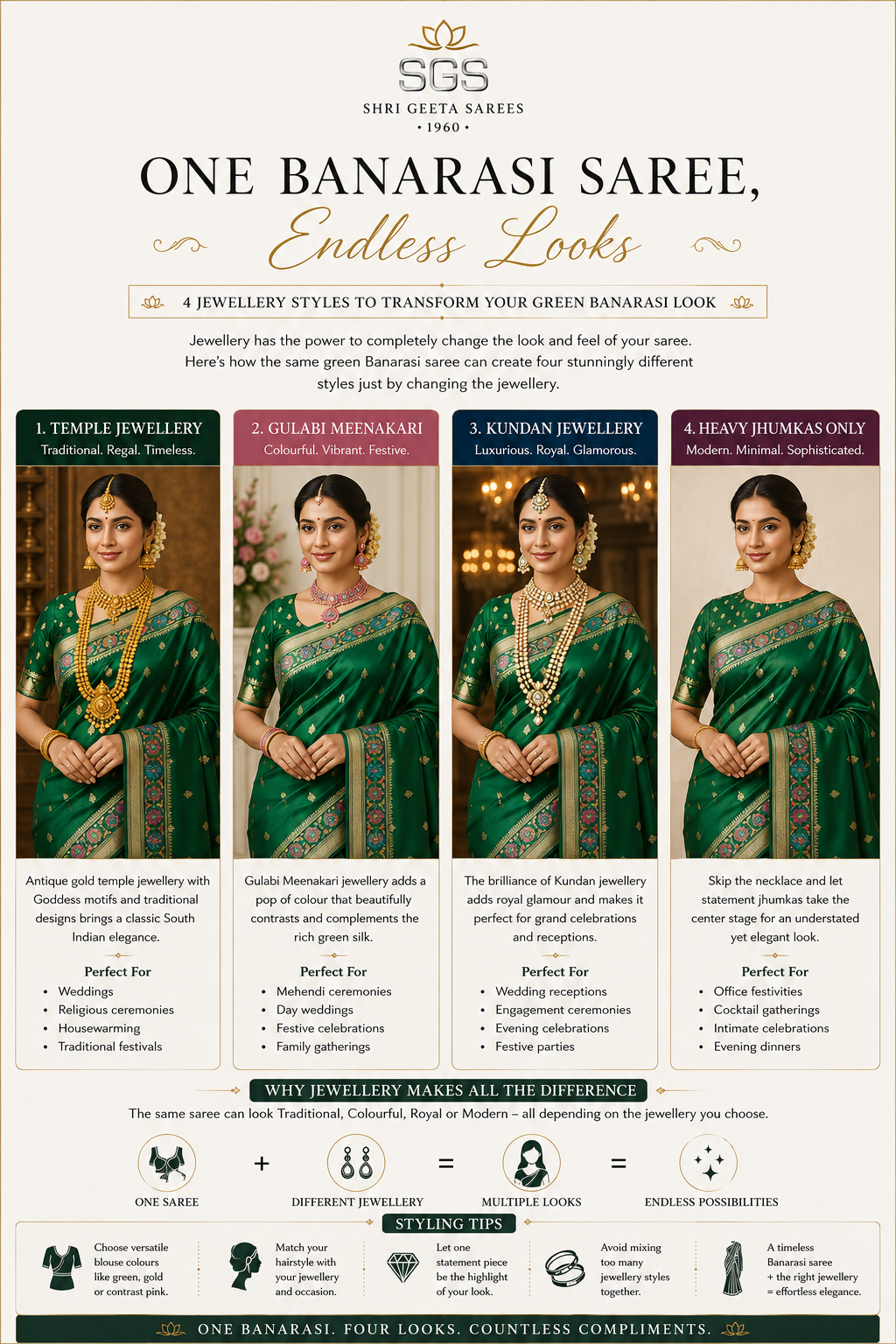
How One Banarasi Saree Can Create 4 Completely Different Looks
A beautiful Banarasi silk saree is one of the most versatile pieces in your wardrobe. Discover how to create four stunning looks just by changing your jewellery.
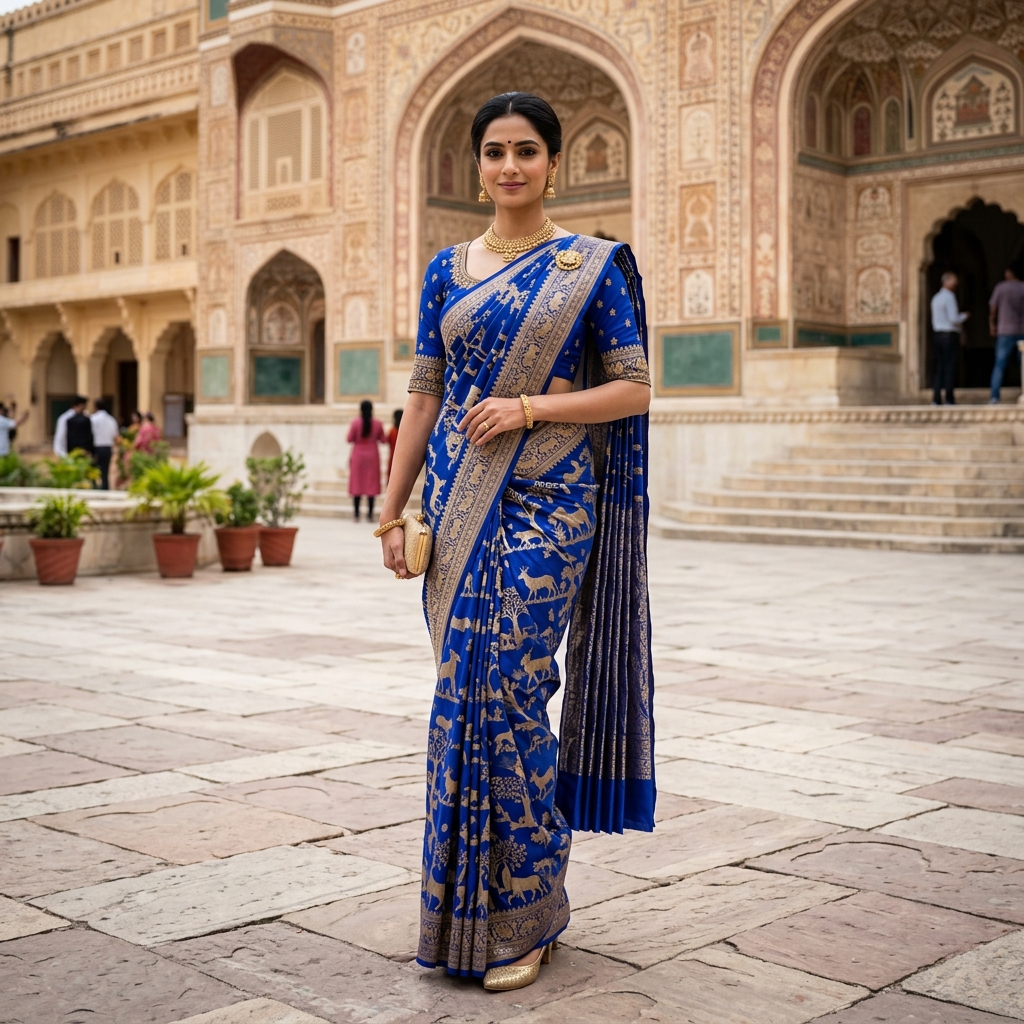
4 Elegant Ways to Drape a Banarasi Saree | Shri Geeta Sarees
Looking for new ways to wear your handwoven Banarasi saree? Discover 4 elegant and easy styling methods, from classic traditional to modern reception drapes.
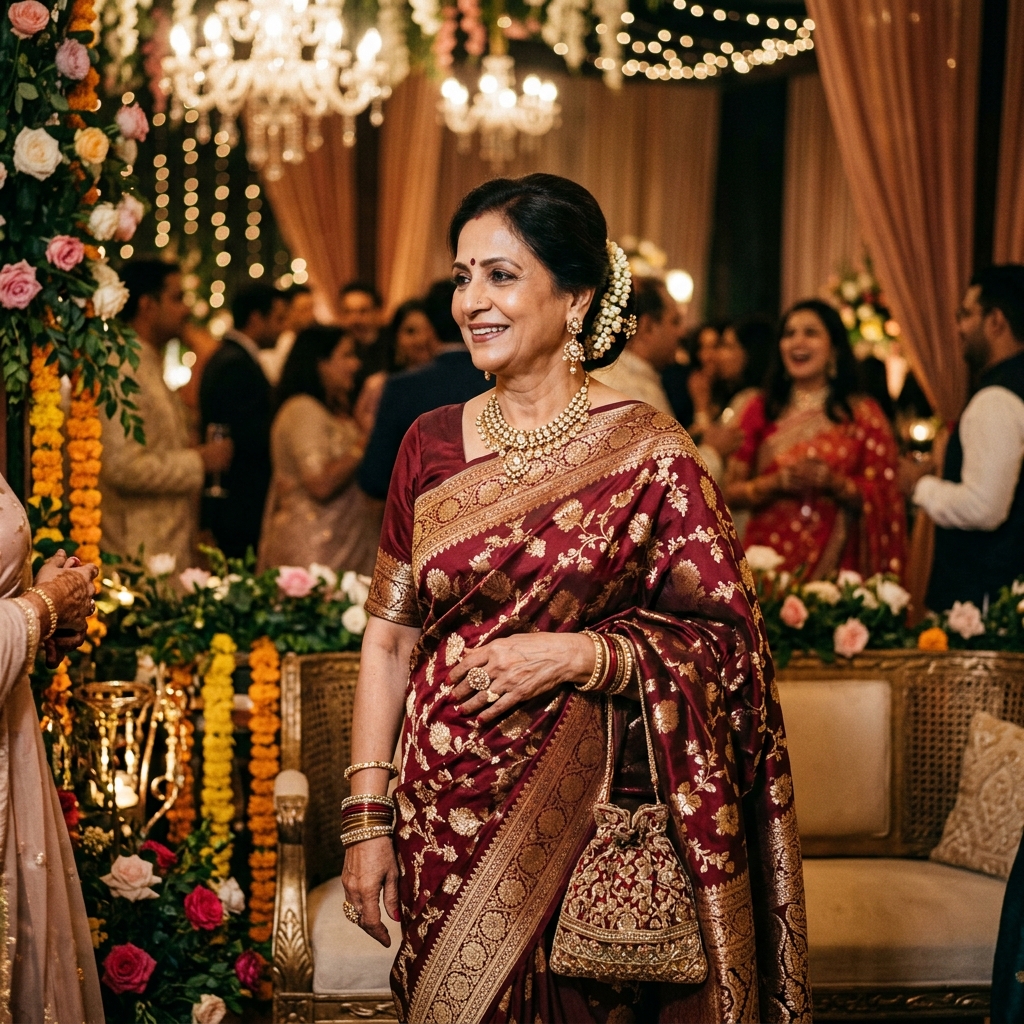
Banarasi Saree for Mother of the Bride: A Guide to Getting It Right
A comprehensive guide to choosing the perfect Banarasi saree for the mother of the bride, covering colors, weaves, and styling advice.
Types of Banarasi Silk: Katan, Georgette, Organza & Tissue Explained
Confused by Banarasi saree fabrics? A Varanasi weaver explains the exact difference in drape, weight, and styling for Katan, Georgette, Organza, and Tissue silk.