Katan Silk vs. Tissue Silk: The Battle of the Bridal Shimmer
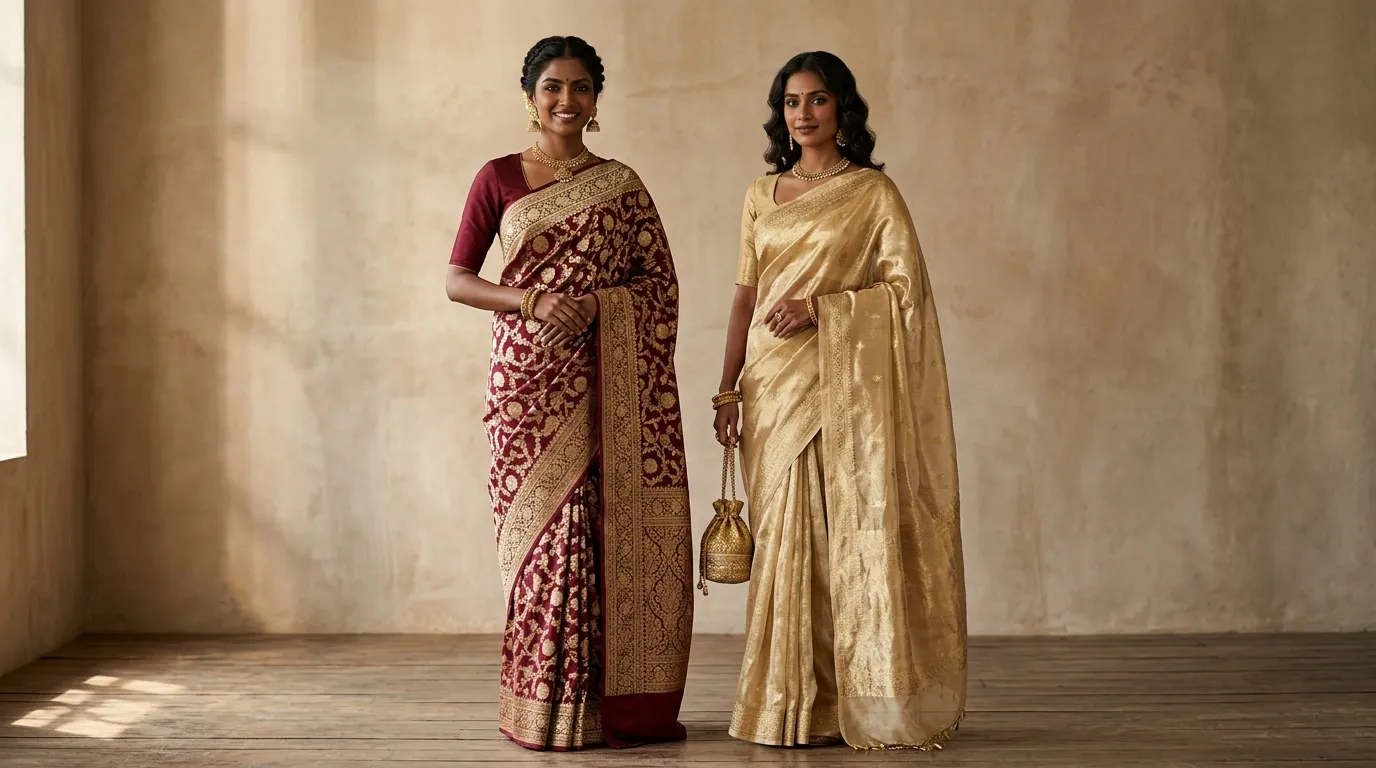
Katan Silk vs. Tissue Silk: The Battle of the Bridal Shimmer
When building an unforgettable bridal trousseau, every bride encounters Varanasi’s two most prestigious and radiant handloom masterweaves: Pure Katan Silk and Tissue Silk.
While both represent the pinnacle of luxury, they offer completely contrasting aesthetics. One embodies timeless, regal substance, while the other radiates modern, liquid-metal glamour.
Side-by-Side Comparison: Katan Silk vs Tissue Silk
| Feature | Pure Katan Silk Banarasi | Pure Tissue Silk Banarasi |
|---|---|---|
| Yarn Composition | 100% pure twisted mulberry silk in warp & weft | Pure silk in the warp + ultra-fine metallic zari in the weft |
| Visual Luster | Deep, pearl-like natural sheen | Dazzling, translucent liquid-metal shimmer |
| Weight & Feel | Substantial, structural, soft, and weighted | Lightweight yet crisp, with a luminous floating fall |
| Best Wedding Occasion | Main Wedding Pheras, Mandap ceremonies | Wedding Reception, Sangeet, Cocktail Soiree |
| Iconic Weaving Style | Dense Kadhua Weave Motifs & Rangkat Multi-Colour Blocks | Delicate floral Meenakari on metallic gold/silver fields |
| Investment Lifespan | 50 to 100+ years (multi-generational heirloom) | 30 to 50+ years with careful storage |
1. The Pure Katan Silk Drape: Timeless Regal Heritage
Pure Katan Silk is the historic backbone of Banarasi textile heritage. Because both warp and weft are made of tightly twisted mulberry silk filaments, the fabric provides unparalleled structural depth.
- The Aesthetic: Deep, rich saturation where colors like vermilion red, rani pink, and royal peacock blue appear velvety and opulent.
- Why Brides Love It: It supports the most intricate pure zari embroidery without creasing or sagging, giving the bride a grounded, majestic posture during ceremonial rituals.
Discover our dedicated Pure Silk Katan Collection.
2. The Pure Tissue Silk Drape: Liquid Gold Radiance
Tissue Silk achieves its miraculous metallic glow through an ingenious handloom construction: the warp consists of gossamer-fine raw silk, while the entire weft is made of continuous metallic zari threads.
- The Aesthetic: The fabric behaves like woven gold or molten silver. As you move beneath chandeliers or evening lights, the saree catches every light source, creating an ethereal halo around the wearer.
- Why Brides Love It: It delivers maximum visual impact and photographic brilliance for high-glamour evening receptions without the heavy physical weight of traditional velvet or can-can lehengas.
How to Style Both Masterweaves
Styling Pure Katan Silk
- Blouse: Match with a classic brocade or embroidered silk blouse.
- Jewellery: Heritage Polki, uncut diamonds, or traditional 22k Temple gold.
Styling Pure Tissue Silk
- Blouse: Pair with a contrasting velvet blouse (e.g., deep emerald velvet with a gold tissue saree) or a contemporary sweetheart neckline.
- Jewellery: Diamond, emerald, or Russian tourmaline pieces to complement the metallic shine.
Explore both handcrafted worlds at Shri Geeta Sarees, where our master artisans in Chowk, Varanasi preserve the finest traditions of pure handloom craftsmanship.
Continue Reading
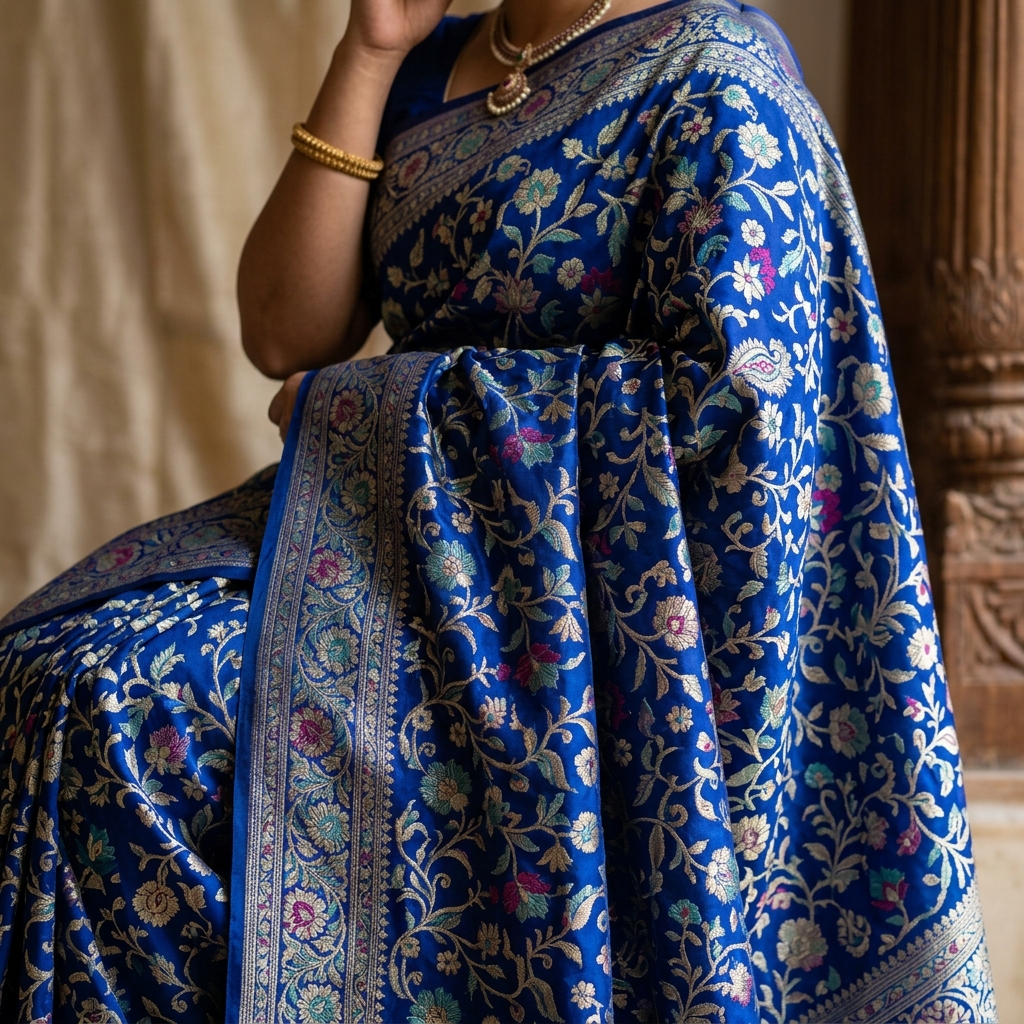
What is Fekwa (Fakua/Cutwork) in Banarasi Sarees?
Learn about Fekwa (or Fakua/Cutwork), an authentic Banarasi weaving technique that creates beautiful floral motifs and jaal patterns. Find out why it's more affordable without compromising quality.
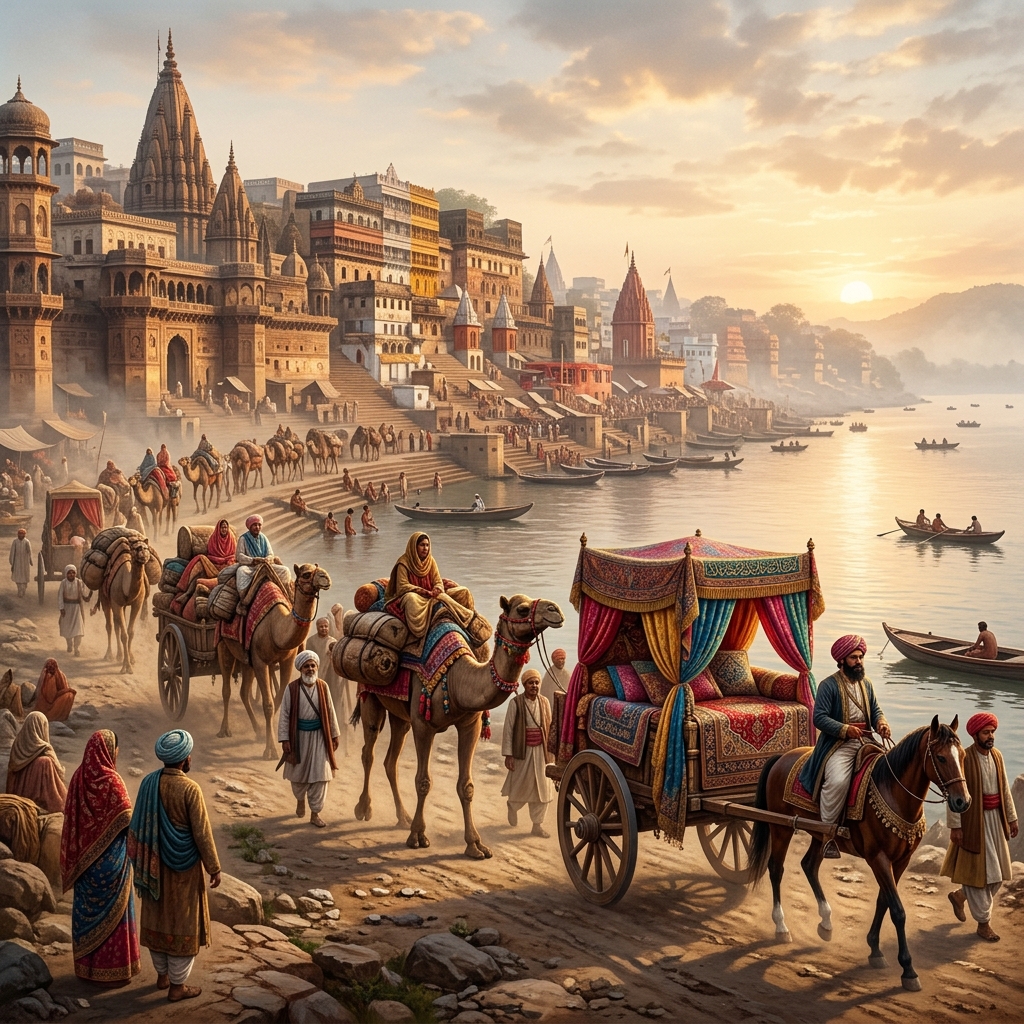
The Silk Route Through Varanasi: History of Banarasi Weaving
Trace the centuries-old journey of silk into Varanasi — from ancient trade routes to Mughal courts to the handloom houses of today.
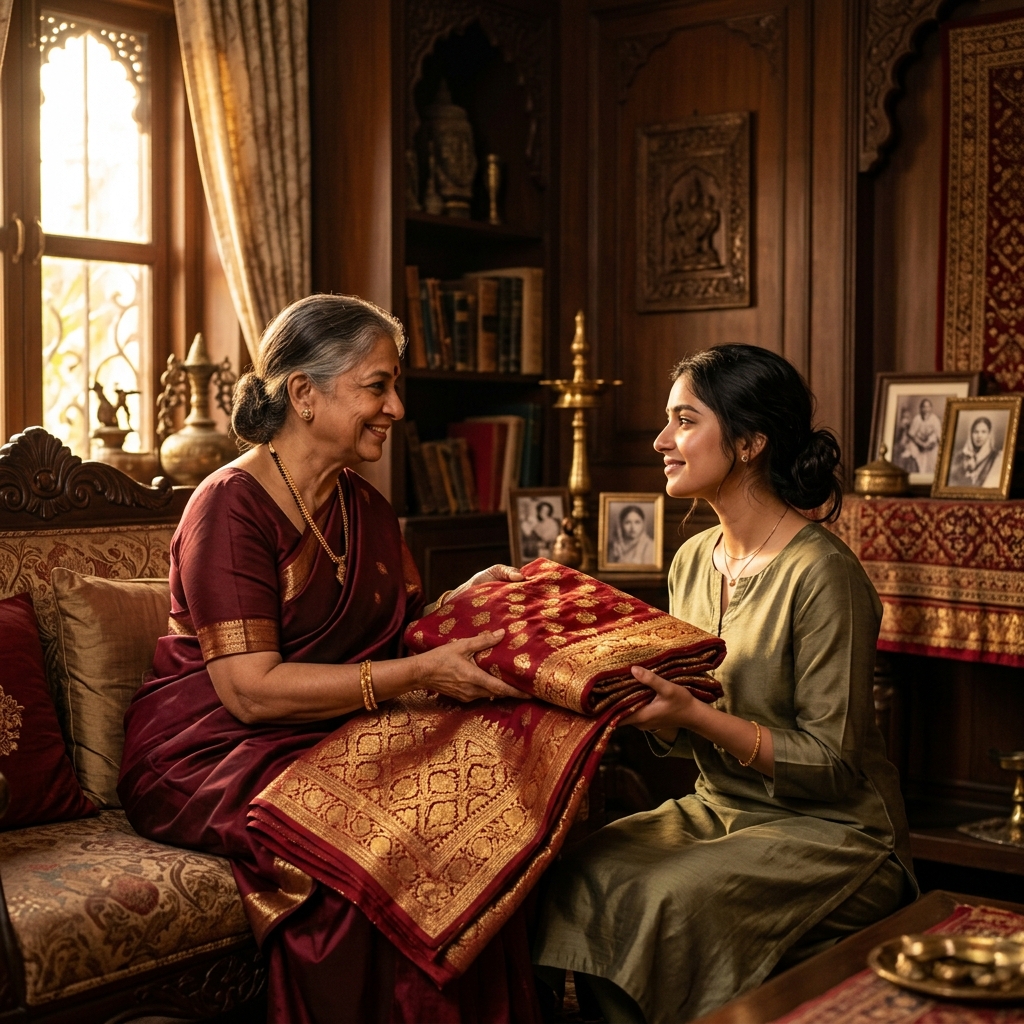
The Banarasi Saree as a Family Legacy: An Heirloom Woven in Silk
Explore the tradition of passing down Banarasi sarees, the craftsmanship that makes them endure, and how to preserve a vintage Banarasi silk saree as a family legacy.
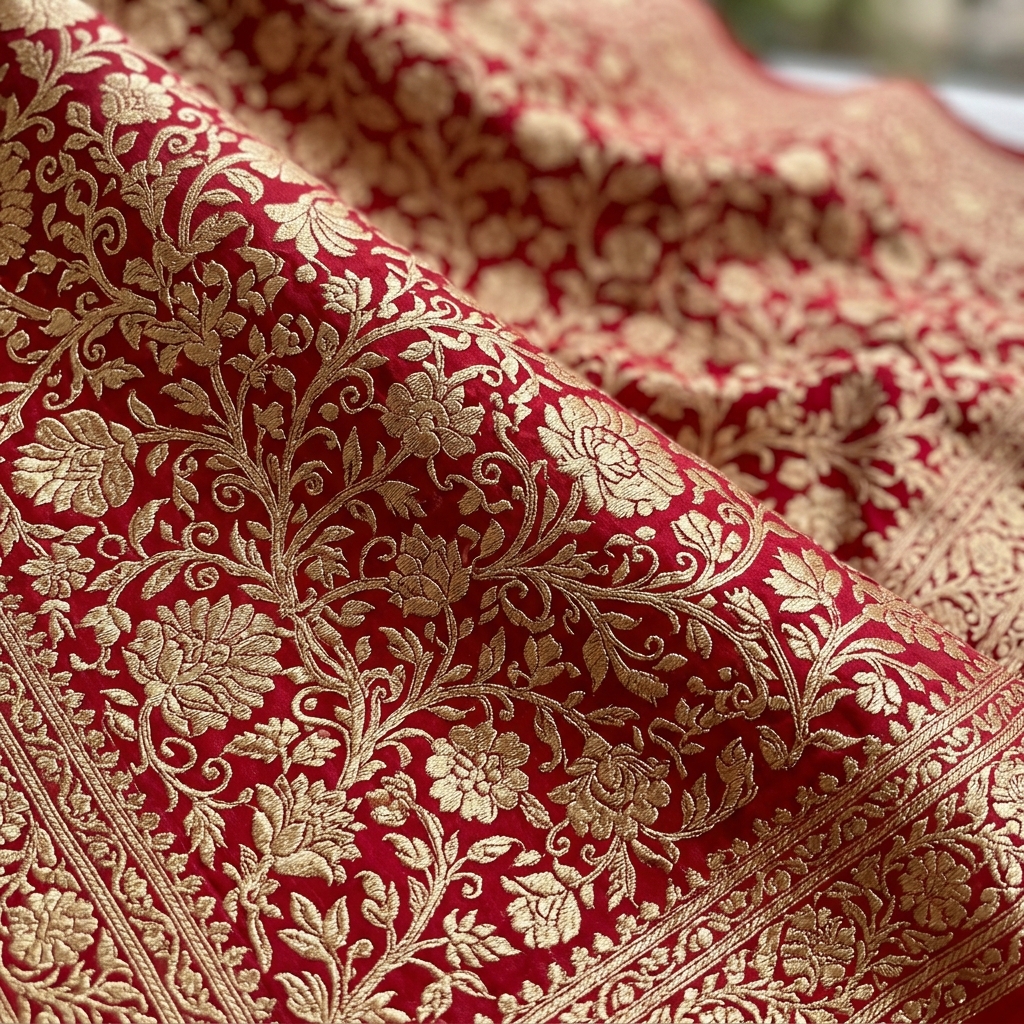
What is a Banarasi Saree Motif? A Guide to Buta, Jaal, and Paisley Patterns
Understand the language of Banarasi saree motifs — from the mango-shaped buta to the trellis-like jaal. A weaver's guide to reading pattern, symbolism, and craft.
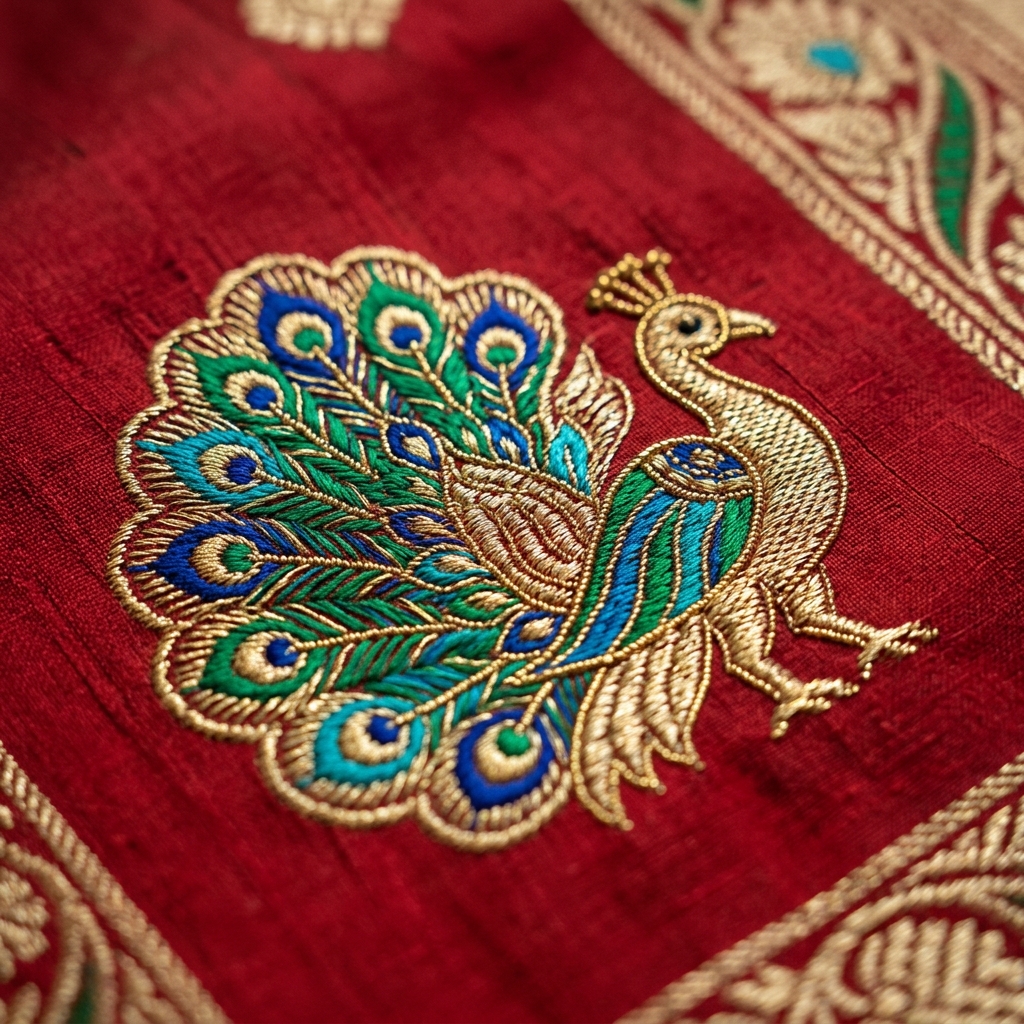
What is a Kadhua Banarasi Saree?
Discover the art of Kadhua Banarasi sarees — individually woven motifs, no loose threads, and an embossed 3D finish. Learn about Meenakari vs Sonarupa and why Kadhua is the pinnacle of Banarasi craftsmanship.