Banarasi Brocade Sarees: History, Weaving Technique, Designs & Care Guide
Banarasi Brocade Sarees: History, Weaving Technique, Designs & Care Guide
Banarasi Brocade is easily one of India's most celebrated handwoven textiles. Admired for its regal beauty, intricate craftsmanship, and timeless appeal, this richly decorative and lustrous fabric has adorned royalty for centuries. Today, these sarees continue to be treasured as heirlooms passed down through generations.
Originally patronized by Mughal royalty, Banarasi Brocade remains an absolute essential in Indian bridal trousseaus and festive wardrobes. While it started with the classic saree, today the fabric has gracefully evolved into stunning lehengas, sherwanis, dupattas, and contemporary fusion wear, all while preserving its heritage and unparalleled artistry.
What is Banarasi Brocade?
Brocade (pronounced /broʊˈkeɪd/) is a class of richly decorative shuttle-woven fabrics. Traditionally made from pure silk, it is lavishly embellished with gold and silver zari threads. Interestingly, the word Brocade originates from the Italian broccato, which means "embossed"—an incredibly apt description for its raised, ornamental appearance.
Unlike embroidery, where designs are stitched onto a finished piece of cloth, brocade patterns are woven directly into the textile itself. These elaborate motifs are created during the weaving process using a supplementary weft technique, giving the beautiful illusion that the fabric has been embroidered.
The Weaving Technique: Supplementary Weft
The true hallmark of a Banarasi Brocade lies in its intricate weaving technique. Master artisans introduce an additional set of weft threads alongside the structural weft that binds the warp threads together.
This supplementary, non-structural weft is what creates the stunning ornamental patterns that make brocade so distinctive. Because these extra threads are used strictly for the motifs, they leave characteristic floating threads on the reverse side of the fabric—a beautiful, authentic indication of true brocade craftsmanship.
Today, while the essence remains the same, many of these intricate designs are woven using Jacquard looms. This allows artisans to create highly detailed and elaborate patterns while still preserving the soul of traditional weaving techniques.
The Lustrous Beauty of Brocade
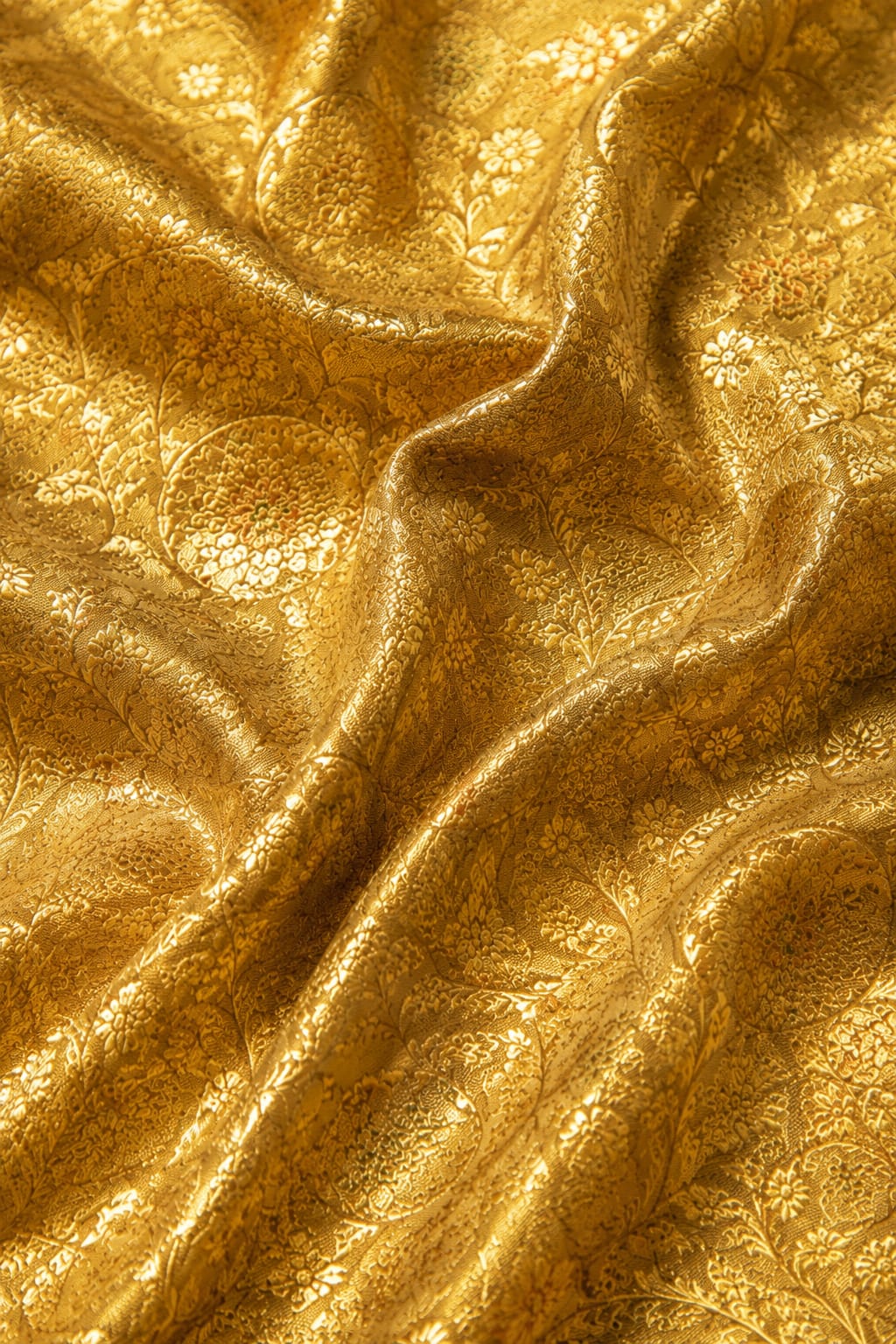
Traditionally woven from pure silk, Banarasi Brocade is highly prized for its rich sheen and luxurious, weighty texture. Its lustrous finish lends an unmistakable sense of grandeur, making it the preferred choice for weddings, grand festive celebrations, and deeply special occasions.
The interplay of soft silk and metallic zari creates a fabric that captures the light beautifully, ensuring that every drape appears incredibly regal and timeless.
Signature Designs and Motifs
Banarasi Brocade draws deep inspiration from Mughal and Persian aesthetics. Its motifs are a celebration of nature, royalty, and architectural elegance.
Some of the most cherished designs you'll find include:
- Floral vines (Jaal): An intricate web of blooming flowers.
- Paisleys (Kairi motifs): The iconic teardrop-shaped pattern.
- Creepers and scrolling foliage: Delicate, continuous natural patterns.
- Intricate Butis: Small, repeated motifs scattered across the fabric.
- Traditional Mughal-inspired patterns: Geometric and architectural designs.
- Elaborate zari borders and pallus: The crowning glory of the saree.
These timeless motifs have remained absolute favourites for centuries, firmly establishing Banarasi Brocade as a true symbol of India's rich textile heritage.
Base Fabric Variations
While silk is the classic choice, Banarasi Brocade is actually woven on a variety of luxurious base fabrics. Each lends its own unique character, texture, and drape to the final creation:
- Katan Silk: Known for its rich texture, structure, and incredibly luxurious feel.
- Kora Silk (Organza): Lightweight, sheer, and featuring a graceful, crisp structure.
- Georgette: Soft, fluid, and wonderfully elegant for contemporary styling.
- Shattir: A versatile base used extensively for modern Banarasi designs.
Your choice of base fabric significantly influences the saree's appearance and fall, ensuring that every Banarasi Brocade piece is entirely unique to the wearer.
Sonapeth (Sonapeet) Brocade: The Royal Treasure of Banaras
Among the most exquisite forms of this craft is Sonapeth (or Sonapeet) Brocade, traditionally woven using real gold zari threads. Considered one of the most luxurious and expensive Banarasi textiles in existence, it represents the absolute pinnacle of the weaver's artistry.
Today, only a handful of master artisans continue to preserve this rare, painstaking craft. Sonapeth Brocade stands as a proud reminder of Banaras' royal weaving legacy—a textile that flawlessly embodies heritage, pure opulence, and unparalleled craftsmanship.
Why is Banarasi Brocade So Special?
Banarasi Brocade is so much more than just a fabric—it is a living legacy woven into silk and zari. Every motif reflects generations of artistic excellence, making each creation a wearable piece of history.
Its enduring appeal lies in a few key factors:
- The unmatched richness of handwoven craftsmanship.
- Timeless, Mughal-inspired designs that never go out of style.
- The luxurious detailing of pure silk and metallic zari.
- Exceptional heirloom value.
- Incredible versatility across both traditional and contemporary fashion.
For countless families, Banarasi Brocade sarees are treasured heirlooms, lovingly preserved and passed down from one generation to the next.
How to Care for Your Banarasi Brocade
Proper care is essential to ensure that your Banarasi Brocade retains its breathtaking beauty for decades to come. Here are a few golden rules:
- Always dry clean pure silk brocades whenever possible.
- Store the saree carefully wrapped in a soft, breathable muslin fabric.
- Refold it periodically to prevent permanent creases from setting in along the folds.
- Avoid prolonged exposure to direct sunlight, which can fade the silk.
- Keep perfumes and moisture away from the metallic zari work to prevent tarnishing.
- If you must iron it at home, always use a low heat setting and place a pressing cloth over the fabric to protect the delicate zari threads.
- Steaming is often preferable for maintaining the fabric's natural, rich lustre.
With mindful care, your Banarasi Brocade can easily remain as beautiful as the day it was taken off the loom.
A Timeless Legacy
Banarasi Brocade continues to be one of India's most treasured handwoven traditions. Whether it is worn as a magnificent bridal saree, crafted into a regal lehenga, or carefully preserved in a trunk as a cherished heirloom, it embodies centuries of true artistry, luxury, and cultural heritage.
Every Banarasi Brocade creation tells a story—of skilled human hands, timeless motifs, and the enduring splendour of Banaras.
Continue Reading
What is Fekwa (Fakua/Cutwork) in Banarasi Sarees?
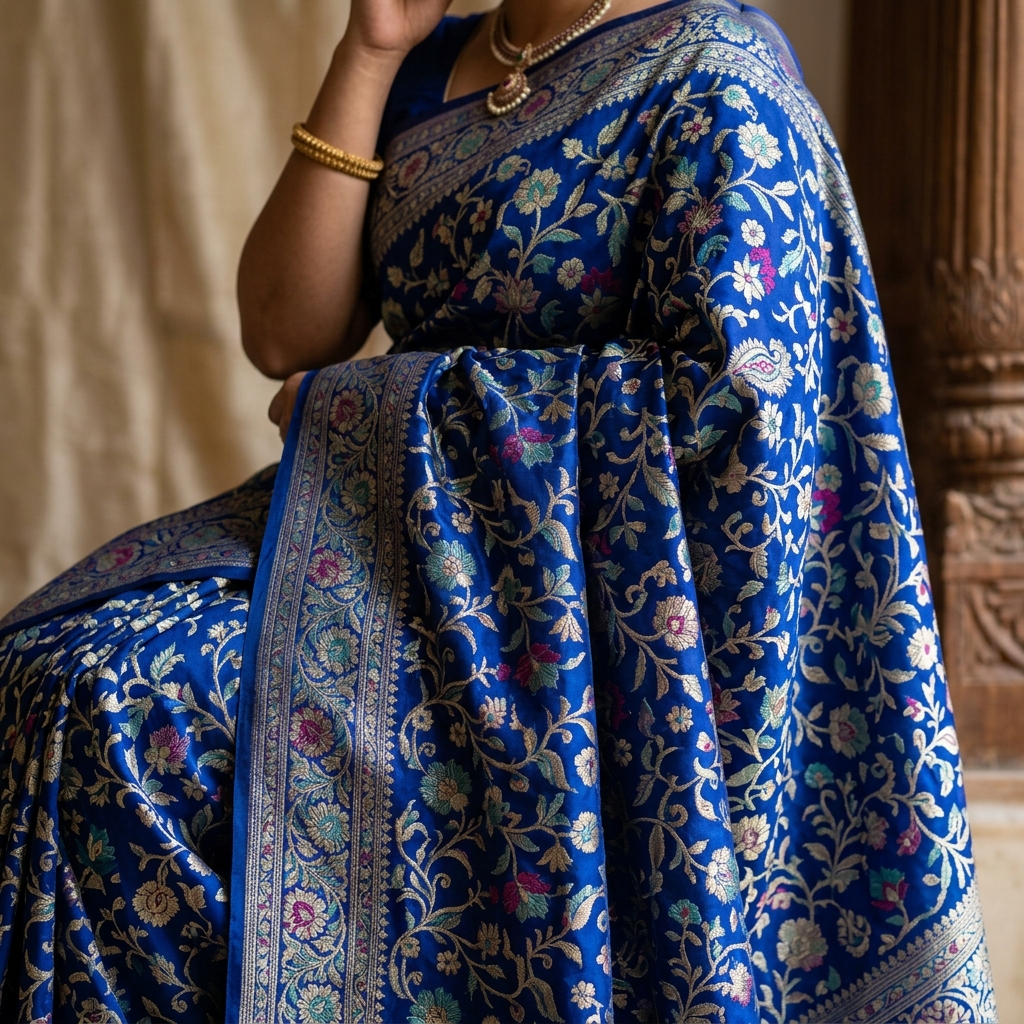
Learn about Fekwa (or Fakua/Cutwork), an authentic Banarasi weaving technique that creates beautiful floral motifs and jaal patterns. Find out why it's more affordable without compromising quality.
The Silk Route Through Varanasi: History of Banarasi Weaving
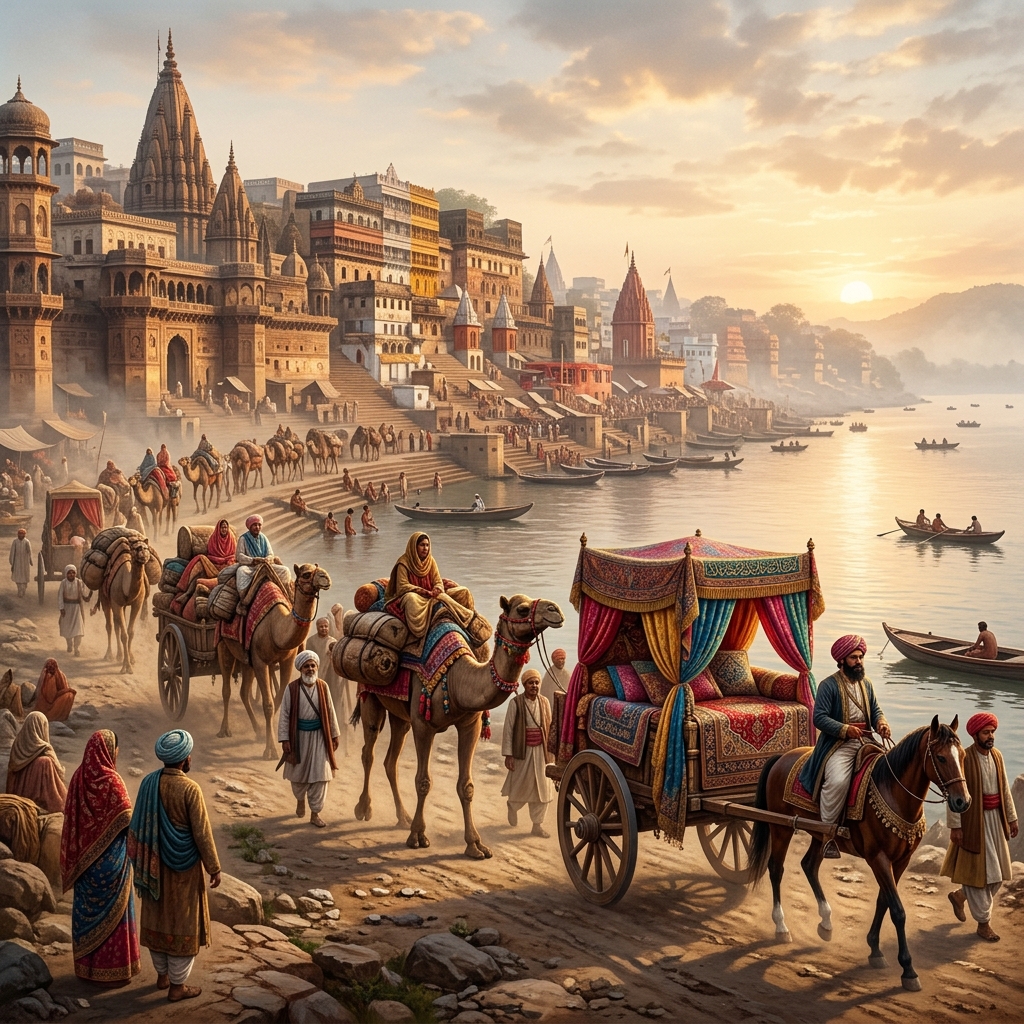
Trace the centuries-old journey of silk into Varanasi — from ancient trade routes to Mughal courts to the handloom houses of today.
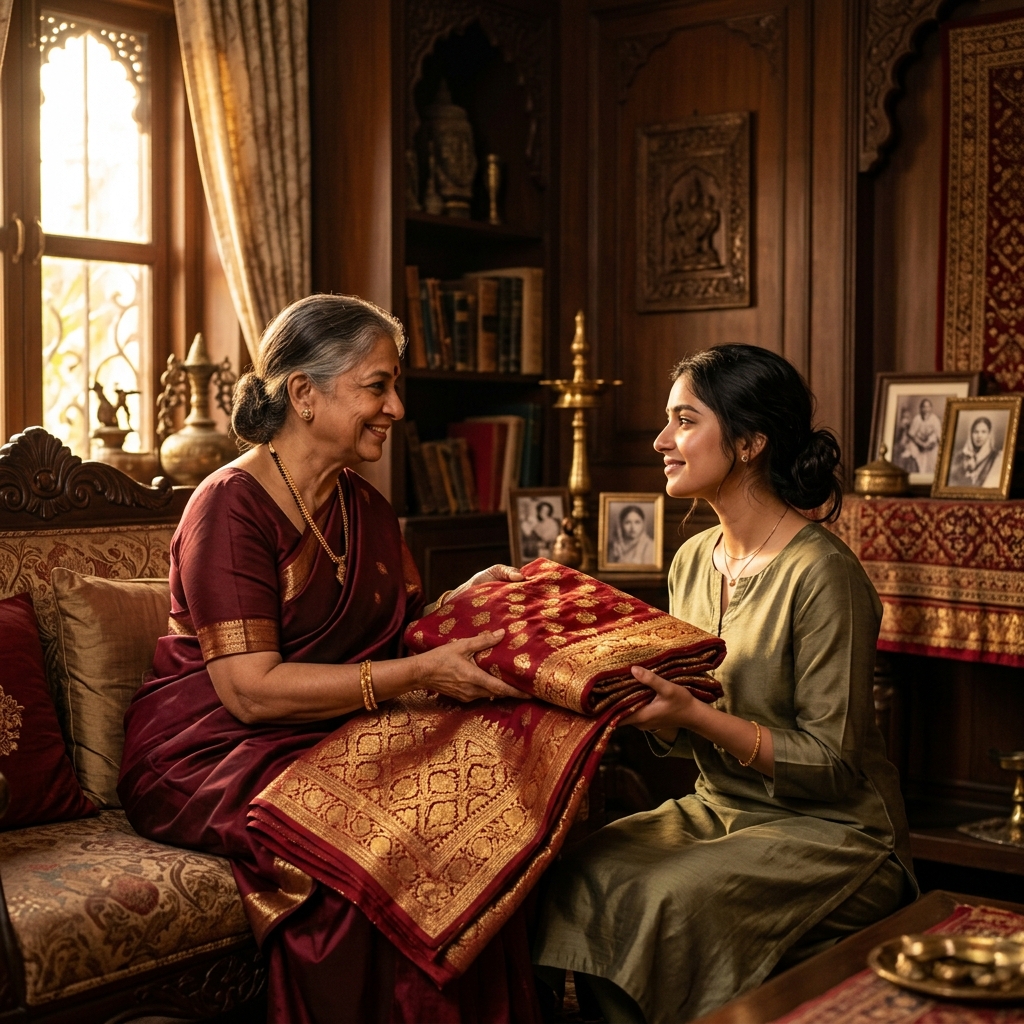
The Banarasi Saree as a Family Legacy: An Heirloom Woven in Silk
Explore the tradition of passing down Banarasi sarees, the craftsmanship that makes them endure, and how to preserve a vintage Banarasi silk saree as a family legacy.
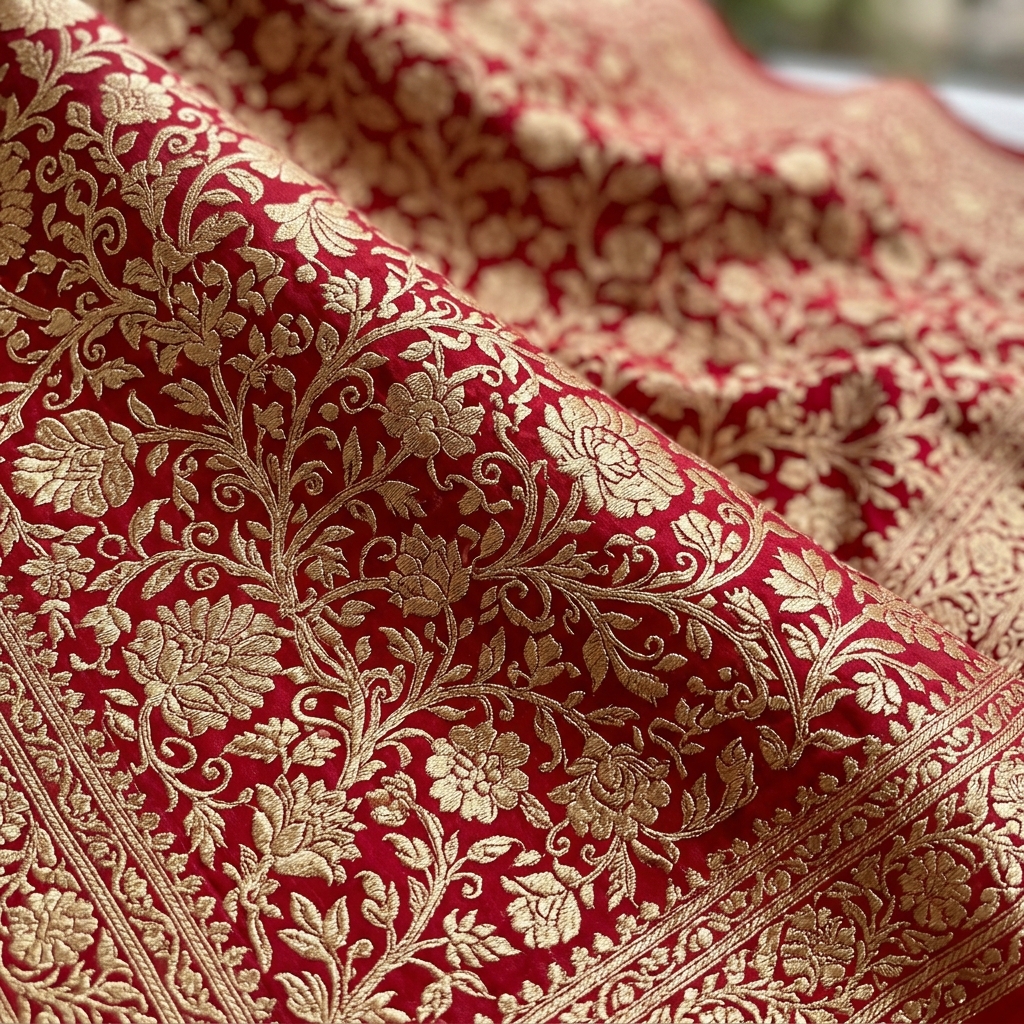
What is a Banarasi Saree Motif? A Guide to Buta, Jaal, and Paisley Patterns
Understand the language of Banarasi saree motifs — from the mango-shaped buta to the trellis-like jaal. A weaver's guide to reading pattern, symbolism, and craft.
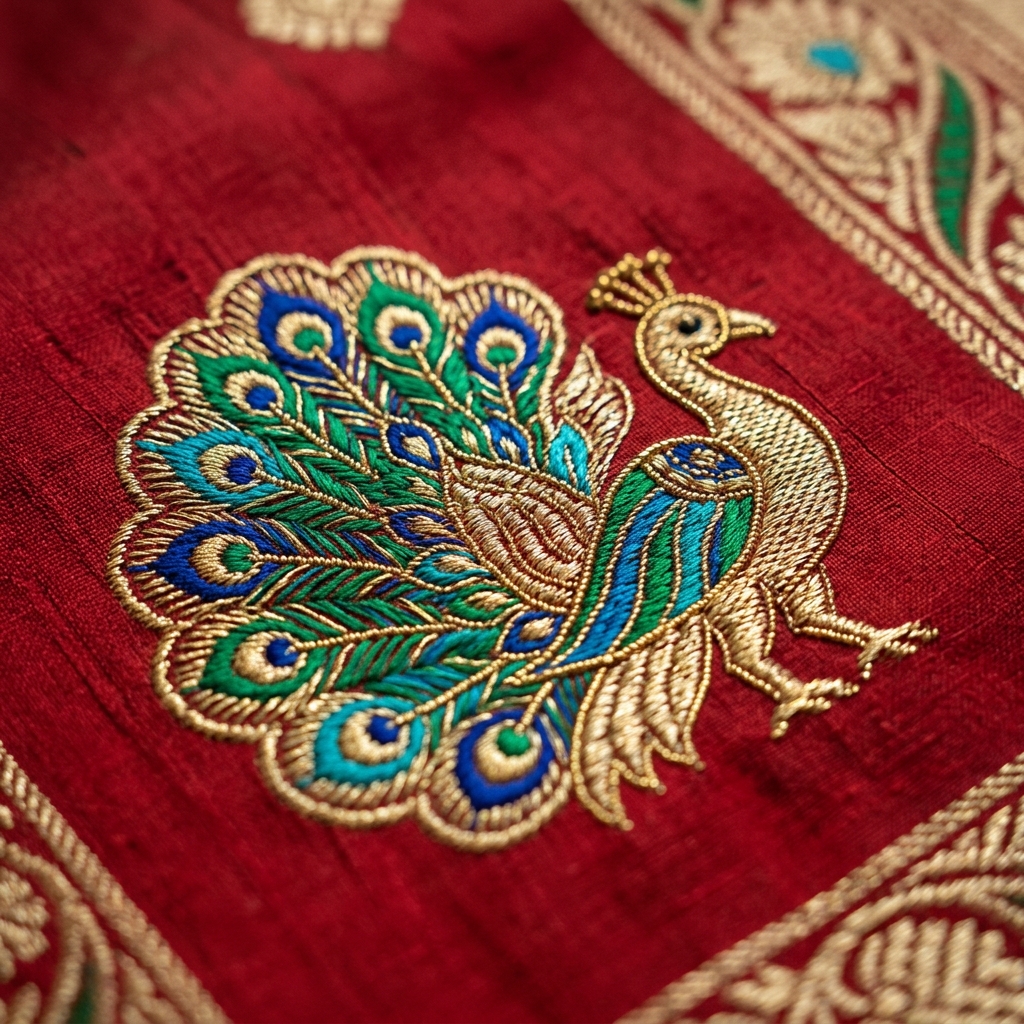
What is a Kadhua Banarasi Saree?
Discover the art of Kadhua Banarasi sarees — individually woven motifs, no loose threads, and an embossed 3D finish. Learn about Meenakari vs Sonarupa and why Kadhua is the pinnacle of Banarasi craftsmanship.