
The Ultimate First-Timer's Guide to Varanasi: Ghats, Temples, and Handloom Heritage

Varanasi (also known as Kashi or Banaras) is a city defined by its religious history. As one of the oldest continuously inhabited cities on earth, its narrow alleys (galis), ghats, and temples draw millions of tourists and pilgrims every year.
First-time visitors often find the city difficult to navigate. This guide provides practical information on getting around.
Shri Geeta Sarees has been located in Chowk since 1960. Based on our experience working in the city, here is a practical guide for tourists.
1. Experiencing the Ghats
The city has over 80 ghats (stone steps leading down to the river Ganges) along the riverfront.
- Dashashwamedh Ghat: Located centrally. The daily Ganga Aarti ceremony takes place here every evening after sunset.
- Assi Ghat: Located at the southern end of the city. It is generally quieter than the central ghats and is a common starting point for boat rides.
- Manikarnika Ghat: The primary cremation ghat. This is a working cremation ground, so visitors should act respectfully. Photography is strictly prohibited.
Local Tip: Hire a wooden rowboat around 5:30 AM to see the ghats during sunrise.
2. Navigating the Kashi Vishwanath Temple
The Kashi Vishwanath Temple is a major pilgrimage site dedicated to Lord Shiva.
- The Kashi Vishwanath Corridor: A recently completed renovation connects the temple directly to the river Ganges, providing much more space for visitors to walk.
- Best Time to Visit: Visit early in the morning (around 6 AM) or late in the evening to avoid crowds.
- What to Carry: Security does not allow mobile phones, cameras, leather bags, or electronic items inside. Leave these at your hotel.
3. Local Food
The city is known for its vegetarian street food. For a detailed list of where to eat, check out our full Food Lover's Guide to Varanasi Local Street Food.
- Kachori Sabzi & Jalebi: A common local breakfast. Available at Ram Bhandar or Deena Keshari Chaat Bhandar early in the morning.
- Malaiyyo: A milk dessert flavored with saffron and cardamom. It is only made during the winter months (November to early March).
- Banarasi Paan: A preparation of betel leaf.
4. The Handloom Industry in Chowk
Varanasi is also known for its handloom silk weaving industry.
The weaving district is concentrated in the alleys of Chowk and Chowk. You can hear traditional wooden looms operating inside the houses here.
If you plan to buy a Banarasi saree during your trip, be aware of the commission system. Many auto-rickshaw drivers and guides near the ghats offer to take tourists to a "famous silk factory." These are usually showrooms that sell machine-made synthetic sarees and pay commissions to the drivers who bring in customers.
How to Shop Safely
To buy pure handloom silk:
- Do your research beforehand: Identify shops with established histories before arriving.
- Navigate independently: Use Google Maps and walk to the stores yourself.
- Visit our Showroom: You can visit Shri Geeta Sarees in Chowk (near Chowk Thana). We do not pay commissions to guides. We will show you the difference between powerloom and handloom products and guarantee the purity of our Katan silk.
Welcome to Banaras
The best way to see the city is to walk through the galis and spend time near the river. We welcome you to visit our showroom during your trip.
Continue Reading

The Empress’s Teacup: How an Ancient Accident in 2700 BCE Breathed Life into Silk
In 2700 BCE, an imperial garden tea ceremony took an unexpected turn when a silkworm cocoon plummeted into a steaming cup. Discover the accidental biochemistry that birthed a 5,000-year luxury empire, from the forbidden palace of Leizu to the sacred handlooms of Varanasi.
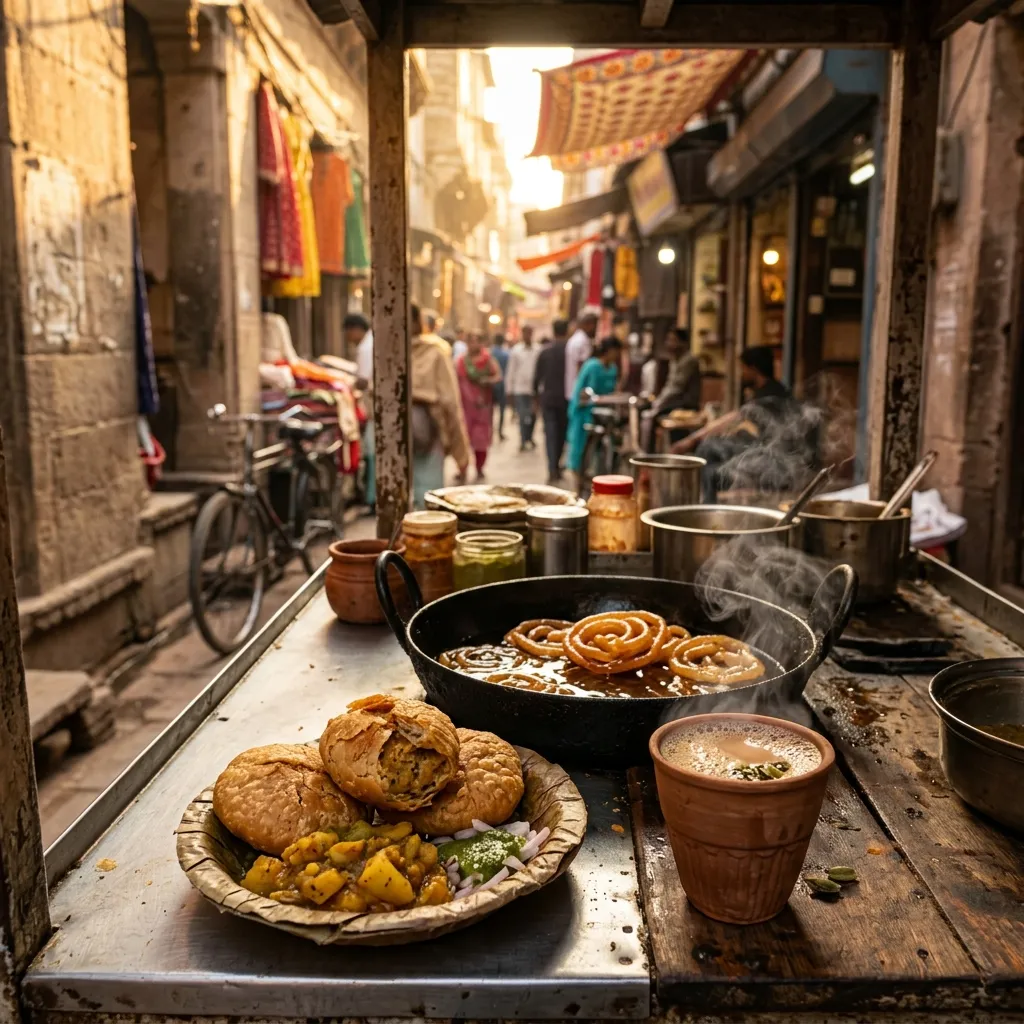
A Food Lover's Guide to Varanasi: 5 Local Street Food Spots You Cannot Miss
From piping hot Kachori Sabzi to winter-special Malaiyyo, discover the ultimate local street food spots hidden in the ancient alleys of Banaras. A true culinary pilgrimage.
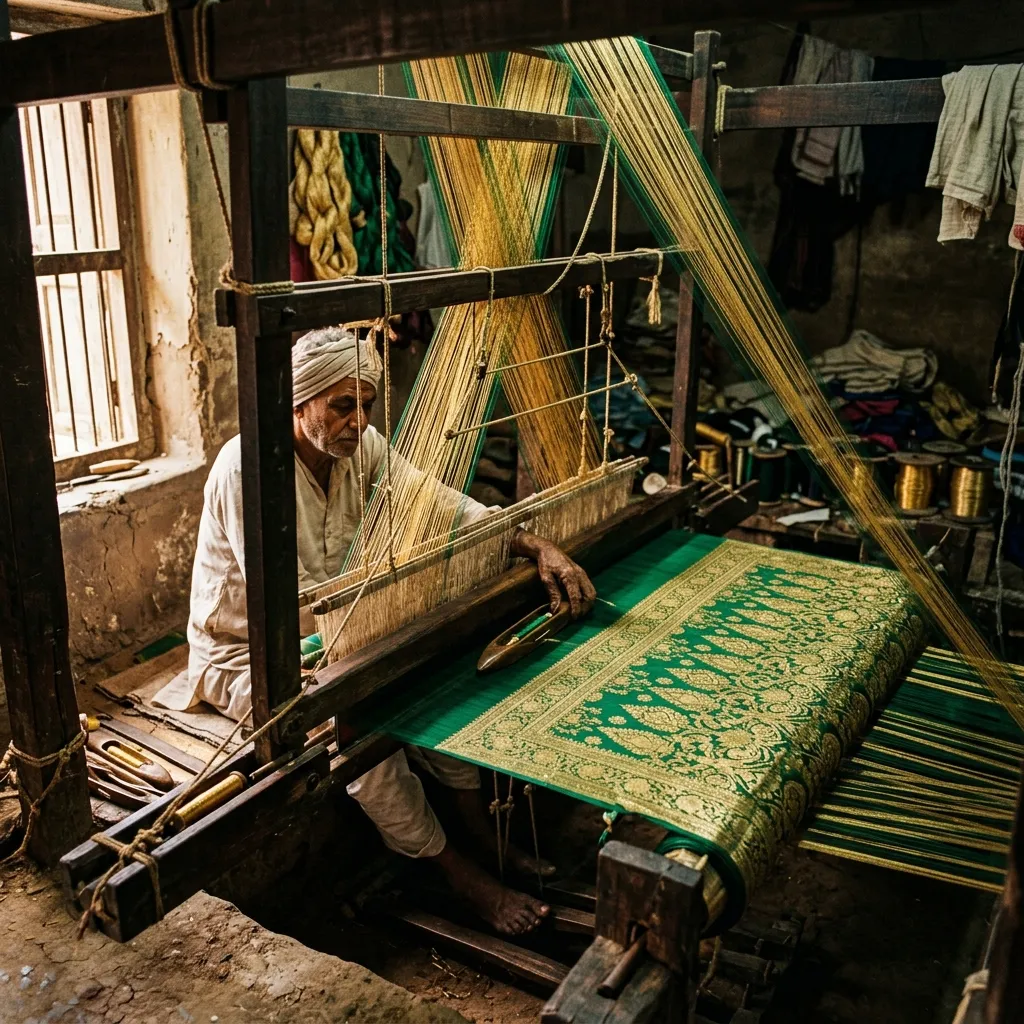
How to Identify a Pure Handloom Banarasi Saree
Learn how to distinguish a genuine pure handloom Banarasi saree from a mass-produced powerloom imitation. Explore the markers of authentic Varanasi weaving.