Banarasi Silk Saree Price Guide & Wholesale Sourcing
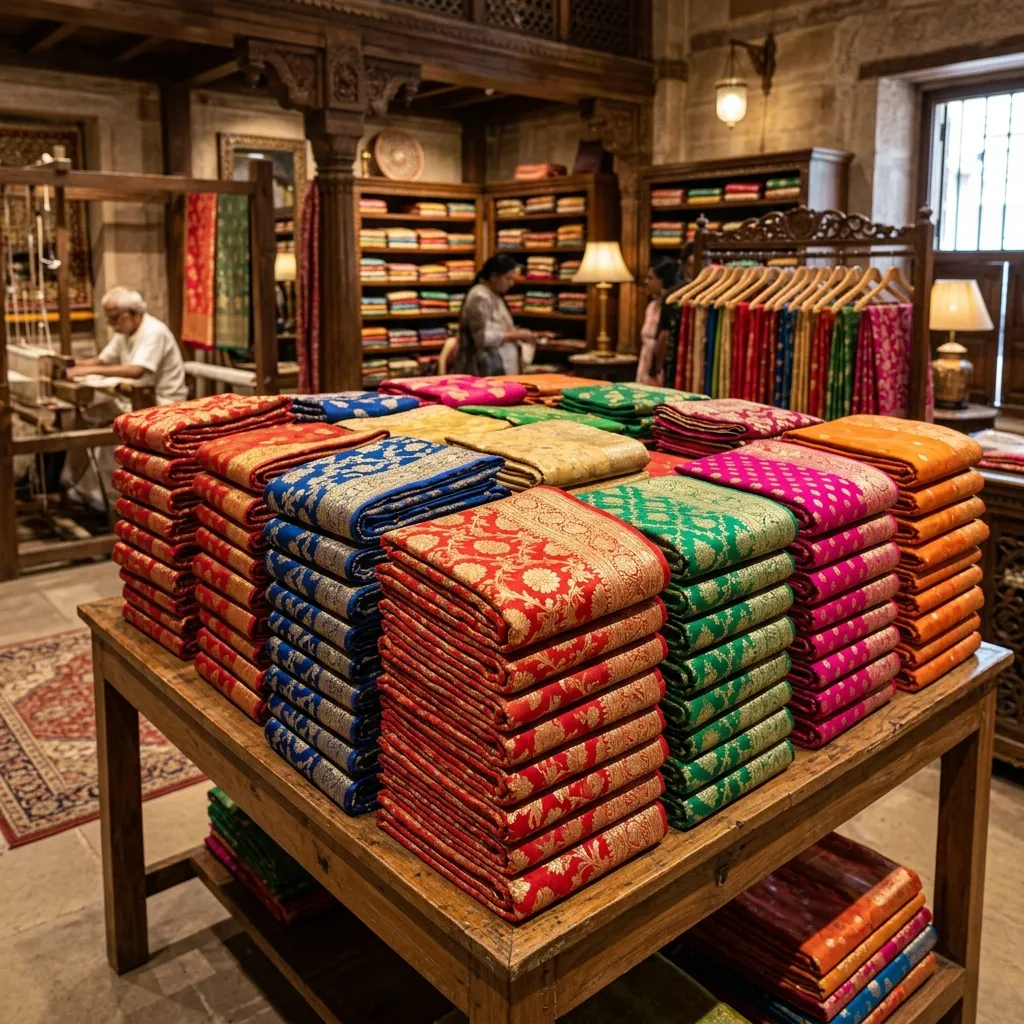
One of the most common questions buyers ask when visiting Varanasi or shopping online is: "What is the actual price of a pure Banarasi silk saree?"
The market is flooded with sarees ranging from ₹2,000 to ₹2,00,000. For a retail buyer or a boutique owner looking for Banarasi saree wholesale suppliers, understanding this massive price difference is critical to avoiding scams and ensuring authenticity.
What Determines a Banarasi Silk Saree Price?
The cost of an authentic Banarasi saree is determined by three main factors:
1. The Quality of the Silk
A Pure Banarasi Silk Saree is woven from high-grade, natural mulberry silk (often called Katan silk). Pure silk is an expensive, natural raw material. If you find a "Banarasi saree" selling for ₹2,000 or ₹3,000, it is almost certainly made of "art silk" (polyester or viscose). Authentic pure silk sarees generally start at a significantly higher price point simply due to the cost of the raw yarn.
2. The Type of Zari Used
Zari is the metallic thread used to weave the intricate motifs.
- Real Tested Zari: Traditionally made by wrapping pure silver wire over a silk thread and electroplating it with gold. These sarees are highly valuable and appreciate over time.
- Half-Fine or Copper Zari: The most common in premium authentic sarees today. It uses a copper base plated with silver or gold. It offers a beautiful, lasting luster at a more accessible price point.
- Plastic/Imitation Zari: Used in cheap, mass-produced powerloom sarees. It is highly reflective but tarnishes quickly.
3. The Weaving Technique (Handloom vs. Powerloom)
A Handloom Banarasi Saree takes a skilled artisan anywhere from 7 days to 2 months to weave by hand on a traditional wooden pit loom. The labor involved in complex techniques like Kadhua (where motifs are woven individually) drastically increases the price.
Conversely, powerloom sarees can be mass-produced in a matter of hours, making them much cheaper, but they lack the durability, finish, and heritage value of a true handloom piece.
Banarasi Saree Wholesale Sourcing
For boutique owners and retailers across India and globally, finding a reliable, honest wholesale supplier in Varanasi can be challenging amidst the crowded market of middlemen and commission agents.
Since 1960, Shri Geeta Sarees has built its reputation on transparency, fixed pricing, and uncompromising quality. We offer premium Banarasi saree wholesale sourcing for businesses that demand authentic, pure silk handloom products.
By working directly with our heritage showroom in Chowk, Varanasi, wholesale buyers bypass street touts and commission traps, ensuring they receive genuine pure Banarasi silk sarees at honest, direct-from-source prices.
Continue Reading

The Empress’s Teacup: How an Ancient Accident in 2700 BCE Breathed Life into Silk
In 2700 BCE, an imperial garden tea ceremony took an unexpected turn when a silkworm cocoon plummeted into a steaming cup. Discover the accidental biochemistry that birthed a 5,000-year luxury empire, from the forbidden palace of Leizu to the sacred handlooms of Varanasi.
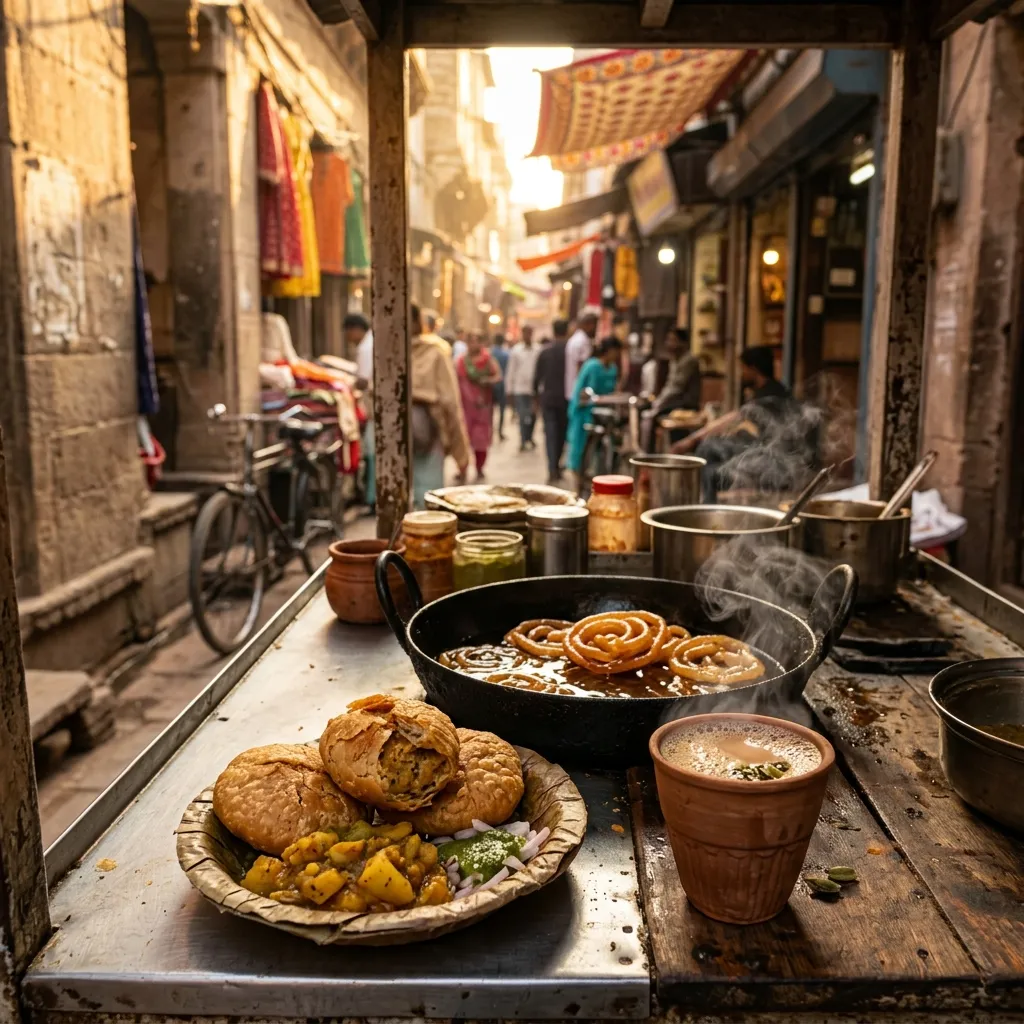
A Food Lover's Guide to Varanasi: 5 Local Street Food Spots You Cannot Miss
From piping hot Kachori Sabzi to winter-special Malaiyyo, discover the ultimate local street food spots hidden in the ancient alleys of Banaras. A true culinary pilgrimage.
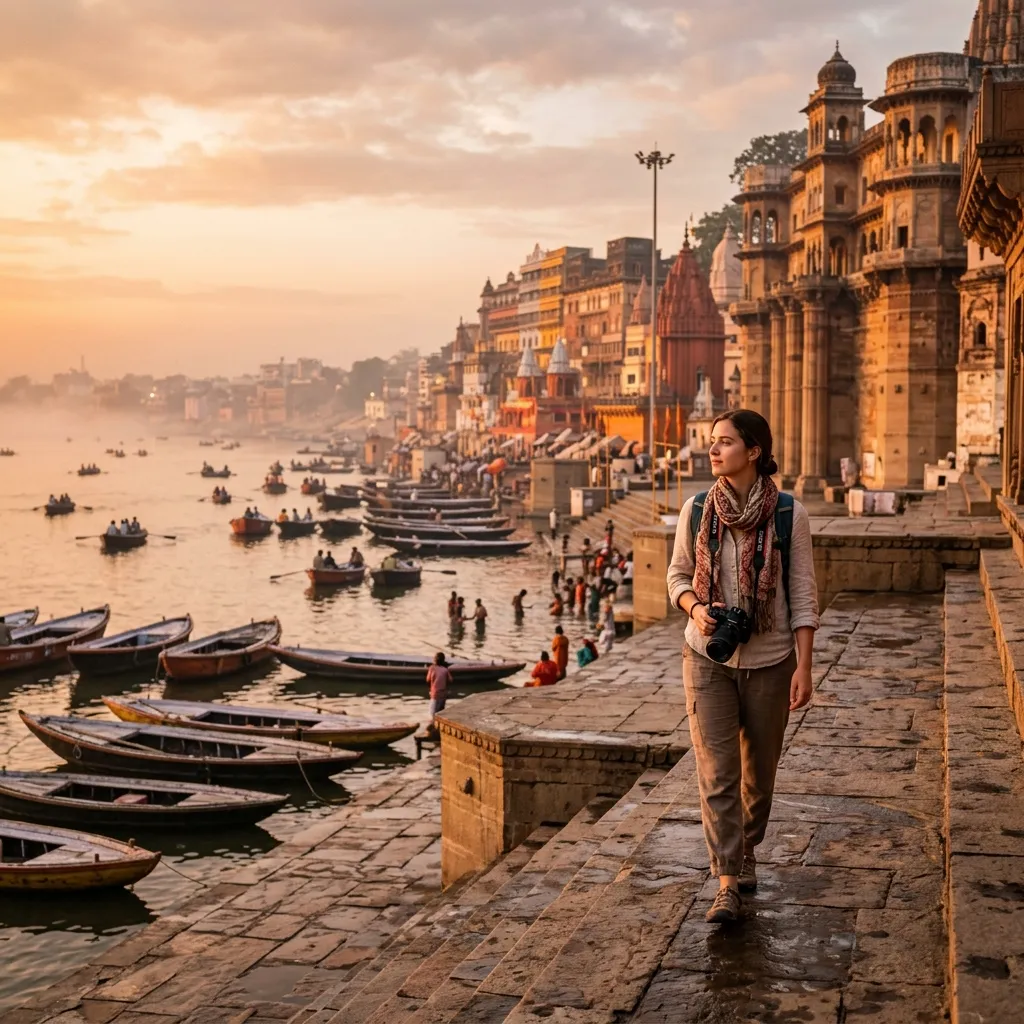
The Ultimate First-Timer's Guide to Varanasi: Ghats, Temples, and Handloom Heritage
Planning your first trip to the spiritual capital of India? Discover the best times to visit the Kashi Vishwanath temple, how to navigate the ancient ghats, and where to find authentic Banarasi handloom weavers in the Chowk district.